
Swine Flu: H1N1, Symptoms, Spread, Treatment, and Prevention
Article Sidebar
Main Article Content
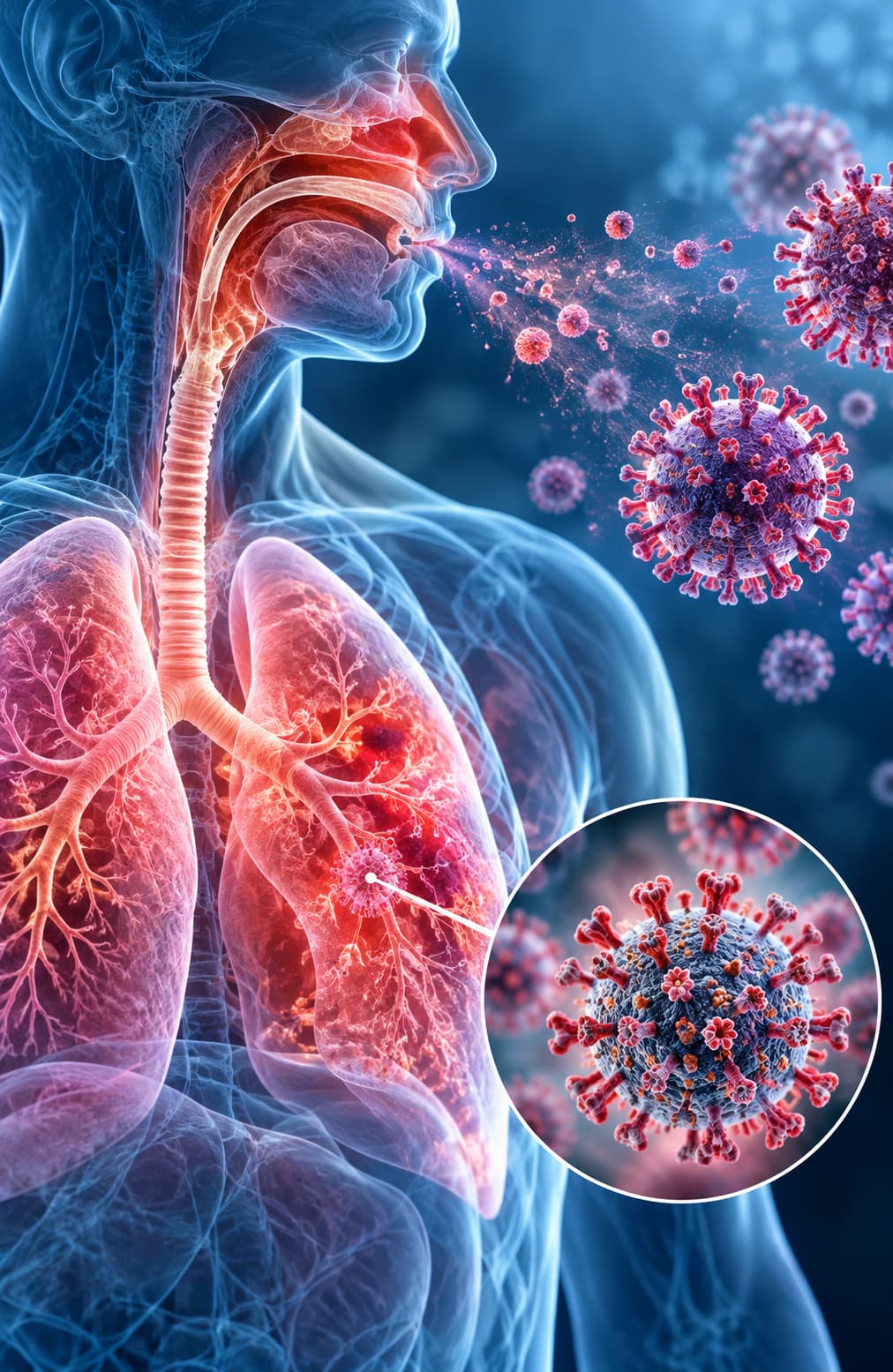
Swine flu is influenza caused by influenza A viruses associated with pigs. Human infection with viruses currently circulating in pigs is uncommon and is called variant influenza. These viruses include H1N1v, H1N2v, and H3N2v. The H1N1 virus that caused the 2009 “swine flu” pandemic is different: it is now a regular seasonal human influenza virus called A(H1N1)pdm09. Symptoms usually resemble ordinary flu, including fever, cough, sore throat, tiredness, headache, and muscle aches. Most variant infections are mild, but serious illness can occur. Antiviral medicines can treat infection, while avoiding exposure to sick pigs helps prevent it.
Cite as: Swine Flu: H1N1, Symptoms, Spread, Treatment, and Prevention. Brisbane (AU): Exon Publications; 2024 [updated 2026 Oct 02].
Introduction
The term “swine flu” can be confusing because it is used for two related but different situations. Influenza A viruses naturally circulate among pigs, and occasionally one of these viruses infects a person. These infections are now called variant influenza infections. The term was also widely used for the 2009 H1N1 pandemic, even though that virus became established in people and is now part of ordinary seasonal influenza. Understanding this distinction makes it easier to understand how swine-origin influenza spreads, how it is diagnosed, and what people can do to protect themselves (1, 2).
What Is Swine Flu?
Swine influenza is a respiratory infection of pigs caused by influenza A viruses. Several influenza A viruses circulate in pig populations around the world. Like human influenza viruses, they can change over time.
Most swine influenza viruses remain in pigs and do not infect people. When a virus that normally circulates in pigs is found in a person, it is called a variant influenza A virus. The letter “v” is added to the virus name. Examples include A(H1N1)v, A(H1N2)v, and A(H3N2)v (1, 2).
These variant viruses are different from the seasonal influenza viruses that regularly spread among people.
Is the 2009 H1N1 Virus Still Swine Flu?
The influenza A(H1N1) virus that caused the 2009 pandemic originally contained a combination of influenza genes with origins in swine, bird, and human influenza viruses. Because of its connection with pigs, the pandemic became widely known as the “swine flu” pandemic.
However, the virus adapted to sustained transmission between people. The pandemic ended in 2010, but the virus did not disappear. Its descendants continue to circulate around the world as seasonal influenza A(H1N1)pdm09.
A(H1N1)pdm09 should therefore not be confused with a new H1N1 virus acquired directly from pigs. A swine-origin H1N1 virus newly detected in a person is called A(H1N1)v, with the “v” indicating a variant virus (1, 2).
This distinction is important because seasonal H1N1 and variant swine influenza differ in how people are exposed, how public health authorities investigate them, and how well seasonal influenza vaccines are expected to protect against them.
How Do People Catch Swine Flu from Pigs?
Human infection with a variant influenza virus usually follows direct or indirect exposure to infected pigs.
An infected pig can release influenza virus into the air when it coughs or sneezes. A person nearby may breathe in virus-containing droplets or particles. Infection may also occur after touching pigs, contaminated surfaces, or objects in a pig environment and then touching the nose or mouth (2).
Cases have occurred among people who:
- raise or work with pigs
- visit pig farms
- exhibit pigs
- attend agricultural fairs where pigs are present
- spend time in barns or other areas containing pigs
A pig does not always have to look seriously ill to carry influenza virus.
Can Swine Flu Spread from Person to Person?
Variant influenza viruses generally do not spread easily between people. Most human cases are linked to exposure to pigs or pig environments.
Limited person-to-person transmission has occasionally been documented, but sustained community transmission of currently recognized variant viruses has not become established (1, 2).
This is different from A(H1N1)pdm09. The virus responsible for the 2009 pandemic became highly adapted to human-to-human transmission and now spreads between people as a seasonal influenza virus.
Because influenza viruses can change, every confirmed variant infection is important to public health authorities. Cases are investigated to determine how the person became infected and whether the virus has spread to anyone else (1, 2).
What Are the Symptoms of Swine Flu in Humans?
Variant influenza usually causes symptoms similar to seasonal influenza. Common symptoms include:
- fever or feeling feverish
- cough
- sore throat
- runny or blocked nose
- headache
- muscle or body aches
- tiredness
- reduced appetite
Some people, particularly children, may also develop nausea, vomiting, or diarrhea. Eye irritation has occasionally been reported (2).
Not everyone develops a fever. Most reported variant influenza infections have been mild, but severe illness, hospitalization, and death have occurred.
Because the symptoms are almost identical to seasonal flu and several other respiratory infections, symptoms alone cannot tell whether a person has a variant influenza virus.
Who Is Most at Risk of Serious Illness?
The people most likely to develop serious complications from variant influenza are thought to be broadly the same groups at increased risk from seasonal influenza (2, 3).
These include:
- children younger than 5 years, especially very young children
- adults aged 65 years and older
- pregnant women
- people with weakened immune systems
- people with chronic lung disease, including asthma
- people with heart disease
- people with diabetes or other metabolic disorders
- people with kidney or liver disease
- people with certain neurological conditions
A healthy person can still develop serious influenza, but complications are more likely in these higher-risk groups.
People at increased risk of severe influenza should be particularly careful about close contact with pigs, especially pigs that are sick or when influenza is known to be circulating among animals.
How Is Swine Flu Diagnosed?
A variant influenza infection cannot be diagnosed from symptoms alone. The most important clue is recent exposure to pigs or a pig environment.
Anyone being assessed for flu-like symptoms should mention recent contact with pigs, particularly if the exposure occurred during the week before the illness began.
Respiratory samples taken from the nose or throat can be tested for influenza. Molecular tests such as reverse-transcription polymerase chain reaction (RT-PCR) are more sensitive than many rapid antigen tests (2, 3).
An ordinary influenza test may show that influenza A is present but may not be able to tell whether the infection is seasonal influenza or a variant swine-origin virus. Rapid influenza tests can also occasionally miss variant infections.
When a variant infection is suspected, specialized testing through public health laboratories is needed to identify the virus accurately. Suspected cases are normally reported to public health authorities so that testing and investigation can be arranged (2).
How Is Swine Flu Treated?
Treatment of variant influenza is similar to treatment of seasonal influenza.
People with mild illness who are otherwise healthy may recover with rest, adequate fluids, and treatment of fever or discomfort. Antibiotics do not treat influenza because influenza is caused by a virus. Antibiotics are used only when a bacterial complication, such as bacterial pneumonia, develops.
Influenza antiviral medicines can reduce viral replication. Recommended medicines include oseltamivir, zanamivir, peramivir, and baloxavir, although the most appropriate medicine depends on age, pregnancy, underlying medical conditions, illness severity, and local approval or availability (2-4).
Antiviral treatment works best when started early, ideally within about 48 hours of symptoms beginning. However, treatment should not be withheld simply because more than 48 hours have passed when a person is hospitalized, seriously ill, developing complications, or at high risk of severe influenza (2, 3).
People in these higher-risk groups may be treated when influenza is strongly suspected without waiting for laboratory confirmation.
Recent testing of swine-origin influenza viruses isolated from humans found that most remained susceptible to neuraminidase inhibitors such as oseltamivir, zanamivir, and peramivir. Resistance to older influenza medicines such as amantadine and rimantadine is common, so these older medicines are not recommended (4).
When Can Swine Flu Become Serious?
Most variant influenza infections reported in humans have been mild, but influenza can sometimes cause serious complications.
Possible complications include:
- pneumonia
- worsening of asthma or other lung disease
- worsening of heart disease
- dehydration
- secondary bacterial infections
- respiratory failure
Severe breathing difficulty, persistent chest pain, confusion, severe weakness, bluish or gray discoloration, seizures, inability to keep down fluids, or symptoms that improve and then become much worse require urgent medical assessment.
Children with difficulty breathing, severe dehydration, unusual sleepiness, seizures, or a marked deterioration also need urgent assessment.
Does the Seasonal Flu Vaccine Protect Against Swine Flu?
The answer depends on which virus is meant by “swine flu.”
The A(H1N1)pdm09 virus that caused the 2009 pandemic is now a seasonal human influenza virus. Modern seasonal influenza vaccines are updated regularly and contain an A(H1N1)pdm09-like component. Seasonal vaccination can therefore provide protection against circulating seasonal H1N1 viruses (5).
The situation is different for true variant influenza viruses acquired from pigs. Seasonal influenza vaccines are not specifically designed to protect against H1N1v, H1N2v, H3N2v, or other swine-origin variant viruses because these viruses can be genetically and antigenically different from human seasonal influenza viruses (2).
Even so, people who work with or regularly encounter pigs should receive seasonal influenza vaccination according to recommendations in their country. This reduces the chance of becoming infected with human seasonal influenza and a swine influenza virus at the same time. It may also reduce the chance of people passing human influenza viruses back to pigs.
How Can Swine Flu Be Prevented Around Pigs?
People who work with pigs or visit areas where pigs are kept can reduce their risk by limiting exposure to influenza viruses.
Hands should be washed thoroughly with soap and water before and after contact with pigs or pig environments. Food and drinks should not be consumed inside pig areas. Objects that children may put in their mouths, such as pacifiers, bottles, cups, and toys, should also be kept away from animal areas.
Close contact with pigs that appear sick should be avoided. People who must work with ill pigs may need protective clothing, gloves, and appropriate respiratory protection according to occupational and public health guidance.
People who develop flu-like symptoms should avoid contact with pigs while they are ill because human influenza viruses can also spread from people to pigs. This two-way movement of influenza viruses helps create opportunities for viruses to mix and change (1, 6).
People at increased risk of serious influenza complications should avoid pigs and pig barns when swine influenza is suspected or known to be present (2).
Can You Catch Swine Flu from Eating Pork?
No evidence shows that variant influenza is spread by eating properly handled and prepared pork or other pork products (2).
Swine influenza is primarily a respiratory infection. The important exposure is contact with infected pigs or contaminated pig environments, not eating pork.
Normal food-safety practices should still be followed when handling and cooking raw meat to prevent other foodborne illnesses.
Why Can Pigs Produce New Influenza Viruses?
Influenza A viruses can exchange genetic material when two different influenza viruses infect the same animal. This process is called reassortment.
Pigs can become infected with influenza viruses from pigs, people, and birds. This creates opportunities for influenza viruses from different sources to exchange gene segments and produce new combinations (1, 6).
Most newly formed viruses will never become important human pathogens. However, occasionally a virus may acquire characteristics that allow it to infect people.
For a new influenza virus to cause a pandemic, simply infecting one person is not enough. The virus would also need to spread efficiently between people, and much of the population would need to have little existing immunity.
This is why influenza viruses circulating in pigs are monitored internationally even though individual human infections remain uncommon.
Could Another Swine Flu Pandemic Occur?
Another influenza pandemic caused by a virus with origins in pigs is possible, but it cannot be predicted from an isolated human case.
Swine influenza viruses continue to evolve, and research has identified genetically diverse viruses in pig populations with the potential to cross the species barrier (1, 6). Human infections with variant viruses therefore receive close attention from public health authorities.
WHO surveillance continued to record sporadic human infections with swine-origin variant influenza viruses during 2026, but sustained human-to-human transmission had not been reported in its September 2026 assessment.
The main concern is not that every variant infection will lead to a pandemic. Rather, surveillance is needed so that unusual changes in the virus or evidence of repeated person-to-person spread can be identified quickly.
What Is the Outlook for Someone with Swine Flu?
Most people with a variant influenza infection develop an illness similar to ordinary flu and recover without serious complications.
Recovery depends on age, general health, the particular virus involved, and whether complications develop. People at increased risk of severe influenza need closer attention because their illness can worsen more quickly.
Antiviral medicines are available and are expected to work against most currently recognized variant influenza viruses. Early treatment is especially important for people who are seriously ill, hospitalized, pregnant, immunocompromised, very young, older, or living with conditions that increase the risk of complications (2-4).
Human infections with swine-origin influenza remain uncommon. Continued surveillance of influenza in both people and pigs is important because these viruses continue to change and occasionally cross between species.
Conclusion
Swine influenza viruses normally circulate in pigs, but they can occasionally infect people. These human infections are called variant influenza and may involve viruses such as H1N1v, H1N2v, or H3N2v. They should not be confused with A(H1N1)pdm09, the virus responsible for the 2009 pandemic, which is now a regular seasonal human influenza virus. Variant infections usually cause symptoms similar to ordinary flu and are most often linked to pig exposure. Most cases are mild, although serious illness can occur. Antiviral medicines can be used for treatment. Avoiding close contact with sick pigs, practicing good hand hygiene, and following appropriate protective measures can reduce the risk of infection.
References
- Klivleyeva N, Glebova T, Saktaganov N, Webby R. Cases of interspecies transmission of influenza A virus from swine to humans. Vet Sci. 2025;12(9):873. https://doi.org/10.3390/vetsci12090873
- Centers for Disease Control and Prevention. About human infections with variant influenza viruses. Atlanta (GA): CDC; 2024. https://www.cdc.gov/swine-flu/variant-flu-in-humans/
- Uyeki TM, Bernstein HH, Bradley JS, et al. Clinical practice guidelines by the Infectious Diseases Society of America: 2018 update for the diagnosis, treatment, chemoprophylaxis, and institutional outbreak management of seasonal influenza. Clin Infect Dis. 2019;68(6). https://doi.org/10.1093/cid/ciy866
- Gao R, Pascua PNQ, Chesnokov A, et al. Antiviral susceptibility of swine-origin influenza A viruses isolated from humans, United States. Emerg Infect Dis. 2024;30(11):2303-2312. https://doi.org/10.3201/eid3011.240892
- Grohskopf LA, Blanton LH, Ferdinands JM, Reed C, Dugan VG, Daskalakis DC. Prevention and control of seasonal influenza with vaccines: Recommendations of the Advisory Committee on Immunization Practices—United States, 2025-26 influenza season. MMWR Morb Mortal Wkly Rep. 2025;74(32):500-507. https://doi.org/10.15585/mmwr.mm7432a2
- Tapia R, Brito B, Saavedra M, et al. Novel influenza A viruses in pigs with zoonotic potential, Chile. Microbiol Spectr. 2024;12(4). https://doi.org/10.1128/spectrum.02181-23
This article is part of the 'Public Education Series' initiative by Exon Publications.
Disclaimer: This article is for general educational purposes only and does not constitute medical advice, diagnosis, or treatment. Consult a qualified healthcare professional about personal health concerns.
Note on External Links: External links were checked and accessible when this article was published. Their content and availability may change over time and are outside the control of Exon Publications.
Explore Other Articles in the Public Education Series
Downloads
Article Details

This work is licensed under a Creative Commons Attribution-NonCommercial-NoDerivatives 4.0 International License.