
Genital Herpes: Symptoms, Transmission, Diagnosis, Treatment, and Prevention
Article Sidebar
Main Article Content
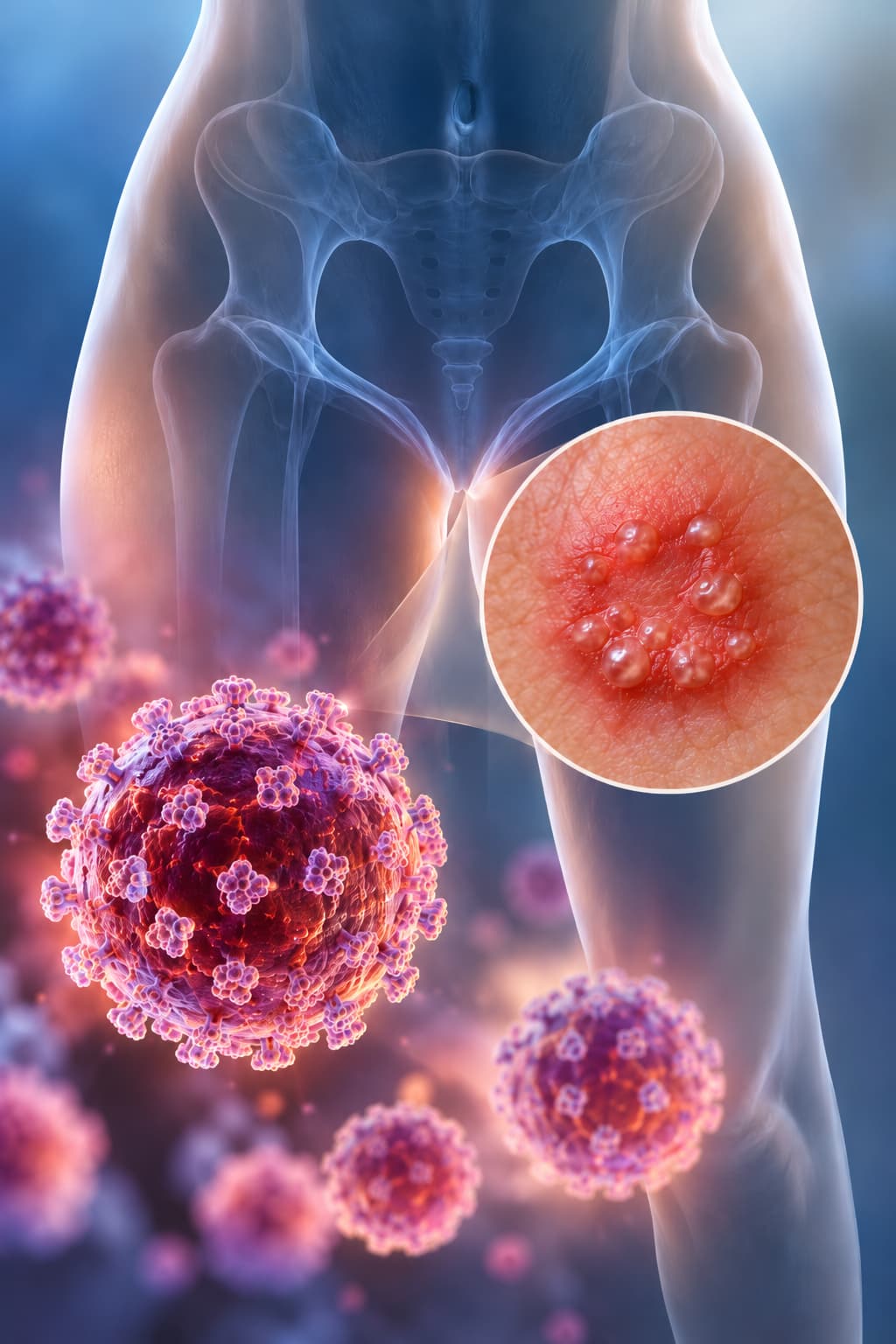
Genital herpes is a common sexually transmitted infection caused by herpes simplex virus type 1 (HSV-1) or type 2 (HSV-2). Many people have no symptoms, while others develop painful blisters or sores around the genitals or anus. The virus remains in the body for life and can become active again, although outbreaks often become less frequent over time. Antiviral medicines can shorten outbreaks, reduce recurrences, and lower the risk of passing HSV-2 to a sexual partner. Condoms and avoiding sexual contact during outbreaks also reduce transmission. Special care is needed during pregnancy because herpes can occasionally infect a newborn.
Cite as: Genital Herpes: Symptoms, Transmission, Diagnosis, Treatment, and Prevention. Brisbane (AU): Exon Publications; 2024 Jul 14 [updated 2026 Oct 17].
Introduction
Genital herpes is one of the most common sexually transmitted infections worldwide. It is caused by herpes simplex virus (HSV), which stays in the body after infection and may become active again later. Many infected people never notice symptoms and may not know they carry the virus. Others experience painful genital sores or repeated outbreaks. Although there is currently no cure, antiviral medicines can control symptoms and reduce recurrences and transmission. Understanding the differences between HSV-1 and HSV-2 is particularly important because they behave differently when they infect the genital area (1, 2).
What Is Genital Herpes?
Genital herpes is an infection of the genital or anal area caused by herpes simplex virus. Two types of the virus can cause it: HSV-1 and HSV-2.
After HSV enters the skin or mucous membranes, it travels into nearby sensory nerves. The virus then remains inactive, or latent, in nerve cells. At times it can become active again and travel back to the skin, where it may cause another outbreak or be released without causing symptoms.
This means that genital herpes is a lifelong infection. Antiviral medicines can control the virus but do not remove it permanently from the body (2-4).
Genital herpes is extremely common. Global estimates for 2020 suggest that approximately 520 million people aged 15–49 were living with genital HSV-2 infection and about 376 million with genital HSV-1 infection. Because some people have both types, the estimated total number living with either genital infection was about 846 million (1).
What Is the Difference Between Genital HSV-1 and HSV-2?
Both HSV-1 and HSV-2 can cause genital herpes, but their usual patterns are different.
HSV-2 is mainly transmitted through sexual contact and primarily affects the genital area. It is the major cause of recurrent genital herpes worldwide. People with genital HSV-2 tend to have more frequent recurrences and more episodes of asymptomatic viral shedding than people with genital HSV-1 (2-5).
HSV-1 is best known as the common cause of oral herpes or cold sores. However, it can spread from the mouth to the genital area during oral sex. Genital HSV-1 has become an important cause of newly diagnosed genital herpes, especially among younger people in some countries (2).
After a first genital HSV-1 episode, recurrences tend to be less frequent than with HSV-2, and the amount of virus shed from the genital area decreases substantially over time. Knowing which type caused the infection therefore helps a person understand the likely pattern of future outbreaks (2-5).
How Is Genital Herpes Spread?
Genital herpes spreads mainly through direct skin-to-skin or mucosal contact with an infected area during sexual activity.
HSV-2 is usually spread through vaginal, anal, or other genital sexual contact. HSV-1 can be spread to the genital area through oral sex when a partner has oral HSV-1 infection.
Transmission can occur when sores are present, but visible sores are not required. HSV can sometimes be released from apparently normal skin or mucous membranes. This is called asymptomatic viral shedding and is one reason people can transmit genital herpes without knowing they are infected (2-4).
The risk of transmission is generally greatest when blisters, ulcers, tingling, burning, or other signs of an outbreak are present.
Genital herpes is not normally spread through casual everyday contact such as hugging, sharing a meal, or using the same toilet seat.
What Are the Symptoms of Genital Herpes?
Many people with genital herpes have no noticeable symptoms or have symptoms so mild that they do not recognize them as herpes.
When symptoms occur, they may include:
- small blisters around the genitals, anus, buttocks, or nearby skin
- painful open sores after the blisters break
- itching, tingling, or burning
- pain during urination
- genital discomfort or tenderness
- swollen lymph nodes in the groin
A first symptomatic episode can be more severe. Some people develop fever, headache, muscle aches, tiredness, or widespread painful sores (2-4).
Symptoms vary considerably. A person may have only one or two small lesions that could easily be mistaken for an ingrown hair, skin irritation, or another condition.
What Happens During the First Herpes Outbreak?
The first recognized episode can occur shortly after infection, but this is not always the case. A person may have acquired HSV months or years earlier without symptoms before experiencing a first recognized outbreak.
When a first episode is symptomatic, it can be prolonged and painful. New lesions may continue to appear for several days, and healing can take two to four weeks without treatment.
Some people develop considerable pain when urinating because urine passes over genital sores. Rare complications include difficulty passing urine, meningitis, and widespread HSV infection, particularly in people with severely weakened immune systems (3-5).
Because a first clinical episode can become severe even when it initially appears mild, antiviral treatment is recommended for people experiencing a first recognized episode of genital herpes (3-5).
Why Does Genital Herpes Come Back?
After the first infection, HSV remains inactive in nearby nerve cells. The virus can later become active again and return to the skin.
Before visible sores appear, some people notice a prodrome, meaning early warning symptoms such as tingling, itching, burning, or discomfort in the area where lesions usually develop.
Recurrent outbreaks are usually shorter and milder than the first symptomatic episode.
Recurrences are generally much more common with genital HSV-2 than genital HSV-1. The frequency also tends to decrease over time, although there is considerable variation between individuals (2-5).
Some people notice that illness, stress, lack of sleep, menstruation, or other factors appear to coincide with outbreaks, but recurrences can also occur without an obvious trigger.
Can Genital Herpes Spread When There Are No Sores?
Yes. HSV can sometimes be released from genital skin when there are no visible sores or other symptoms.
This asymptomatic shedding is particularly important with HSV-2 and is one of the main reasons genital herpes can spread between people who do not realize transmission is possible.
Shedding is generally more frequent during the first year after acquiring HSV-2 and decreases over time, although it can continue many years after infection (3).
Genital HSV-1 also causes asymptomatic shedding, particularly during the months after infection, but shedding usually becomes much less frequent during the first year. This helps explain why genital HSV-1 is transmitted and recurs less often than genital HSV-2 over the long term (2, 5).
How Is Genital Herpes Diagnosed?
When a fresh blister or sore is present, the preferred diagnostic method is to take a swab directly from the lesion and test it for HSV.
Polymerase chain reaction (PCR) and other nucleic acid amplification tests detect genetic material from the virus. They are highly sensitive and can usually determine whether HSV-1 or HSV-2 caused the infection (2-5).
Viral culture can also identify HSV, but it is less sensitive, particularly when a lesion has started to heal or when recurrent disease produces only a small amount of virus.
A negative test from a lesion does not always exclude herpes. The chance of detecting the virus falls as sores heal, so testing is most useful when performed on a fresh lesion.
Knowing whether an infection is HSV-1 or HSV-2 can help predict the likelihood of future recurrence and viral shedding.
Are Blood Tests Useful for Genital Herpes?
Blood tests can detect antibodies to HSV-1 or HSV-2, but they must be interpreted carefully.
A type-specific HSV-2 antibody result can sometimes help when genital herpes is suspected but there are no lesions available for testing, when repeated genital symptoms have occurred despite negative lesion testing, or when a sexual partner has genital HSV-2 (3).
However, blood testing is not as straightforward as testing a lesion. Some commercially available HSV-2 antibody tests can produce false-positive results, particularly when the measured antibody level is low. Confirmatory testing may therefore be needed for some positive results (2, 3).
A positive HSV-1 blood test cannot show whether HSV-1 infection is oral or genital because many people acquire oral HSV-1 during childhood.
Routine blood screening of people without symptoms is therefore not generally recommended. Testing is most useful when there is a specific clinical reason for it (2-4).
How Is Genital Herpes Treated?
The main medicines used to treat genital herpes are acyclovir, valacyclovir, and famciclovir. These antiviral medicines interfere with the virus's ability to reproduce.
They cannot eliminate HSV from the body, but they can shorten an outbreak, reduce pain and other symptoms, decrease viral shedding, and reduce future recurrences (2-5).
A first clinical episode is normally treated with oral antiviral medicine for about 7–10 days. Treatment may be continued longer when lesions have not completely healed (3).
For recurrent herpes, antivirals can be used in two different ways: episodic treatment or suppressive treatment.
Topical antiviral creams provide much less benefit for genital herpes than oral treatment and are generally not recommended as the main treatment (3).
What Is Episodic Treatment?
Episodic treatment means taking antiviral medicine only when a recurrent outbreak begins.
It works best when started as soon as possible, ideally during the early tingling or burning stage or within the first day after sores appear (3-5).
People who use episodic treatment may be given medicine in advance so that they can begin treatment immediately when they recognize an outbreak.
Episodic treatment can shorten the duration of an outbreak and reduce symptoms, but it does not prevent future outbreaks or continuously reduce the risk of transmission between episodes.
What Is Suppressive Treatment?
Suppressive treatment means taking antiviral medicine every day rather than only during an outbreak.
It can be useful for people who have frequent or distressing recurrences, want to reduce the chance of outbreaks, or want to lower the risk of transmitting symptomatic HSV-2 infection to a partner (2-5).
Daily suppressive treatment can substantially reduce the frequency of HSV-2 recurrences. Some people have no symptomatic outbreaks while taking it.
Daily valacyclovir has also been shown to reduce transmission of genital HSV-2 between heterosexual partners when one partner has symptomatic HSV-2 infection and the other does not (3).
Suppressive treatment does not completely eliminate viral shedding or the possibility of transmission. Its benefits and continued need can be reviewed periodically because recurrence frequency often decreases over time.
Because genital HSV-1 usually recurs much less frequently, long-term suppressive therapy is generally reserved for people with frequent genital HSV-1 recurrences or substantial distress related to the infection (3-5).
How Can Genital Herpes Transmission Be Reduced?
No single method completely prevents HSV transmission, but several measures can lower the risk.
Sexual contact should be avoided when genital sores are present or when early symptoms such as tingling, burning, or itching suggest an outbreak is beginning.
Condoms reduce the risk of herpes transmission when used consistently, but they do not provide complete protection because HSV may be present on skin that a condom does not cover (2-5).
People with genital herpes should discuss the infection with current and future sexual partners. This allows partners to understand the risk and make informed decisions about prevention and testing.
For symptomatic genital HSV-2, daily suppressive antiviral therapy can provide an additional reduction in transmission risk.
There is currently no licensed vaccine that prevents HSV-1 or HSV-2 infection, although preventive and therapeutic vaccines continue to be studied.
Can a Person with Genital Herpes Have a Normal Sex Life?
Yes. Genital herpes does not prevent people from having relationships or a healthy sex life.
The diagnosis can initially cause anxiety, embarrassment, fear of rejection, or concern about transmitting the virus. The social stigma surrounding genital herpes can sometimes cause more distress than the physical symptoms themselves (2).
Learning how HSV behaves can make the infection easier to manage. Transmission is not inevitable. Avoiding sexual contact during outbreaks, using condoms, considering suppressive antiviral treatment when appropriate, and discussing the infection openly with partners can substantially reduce risk.
A herpes diagnosis also does not prove when the infection was acquired or from whom. Because HSV may remain unnoticed for months or years, a first outbreak does not necessarily mean that infection was recent.
Does Genital Herpes Increase the Risk of HIV?
HSV-2 infection is associated with an increased risk of acquiring human immunodeficiency virus (HIV). Genital inflammation and breaks in the skin caused by herpes can make HIV transmission easier, and biological changes caused by HSV-2 may increase susceptibility even when sores are not visible (1, 2).
People diagnosed with genital herpes are therefore commonly offered HIV testing and assessment for other sexually transmitted infections when appropriate.
Having HSV does not mean that a person has HIV, and most people with genital herpes do not have HIV.
How Does Genital Herpes Affect Pregnancy?
Most women with established genital herpes have healthy pregnancies and deliver healthy babies. The main concern is neonatal herpes, which occurs when HSV is transmitted to a newborn, usually around the time of delivery.
The risk is greatest when genital HSV is first acquired late in pregnancy because the mother has had little time to develop antibodies that can help protect the baby. The risk is much lower in women who acquired genital herpes before pregnancy and have recurrent disease (6).
Pregnant women with a history of genital herpes should inform the healthcare team caring for them during pregnancy.
Antiviral medicines such as acyclovir and valacyclovir can be used during pregnancy when indicated. Suppressive antiviral treatment is commonly started at around 36 weeks in women with recurrent genital herpes to reduce outbreaks and viral shedding near delivery (3, 6).
At the start of labor, the genital area is assessed for active lesions and symptoms suggesting an outbreak. Cesarean delivery is generally recommended when active genital herpes lesions or warning symptoms such as genital pain or burning are present at labor because this reduces the baby's exposure to HSV during birth (3, 6).
What Is Neonatal Herpes?
Neonatal herpes is HSV infection in a newborn. It is rare but can be extremely serious.
The infection may remain limited to the baby's skin, eyes, or mouth, but it can also spread to the brain or other organs. Severe neonatal herpes can cause permanent neurological injury or death even with treatment (2, 6).
Most neonatal infections occur when a baby comes into contact with HSV during delivery. Transmission before birth or after delivery is less common.
Anyone with an active cold sore should avoid kissing a newborn because HSV-1 can also cause neonatal herpes after birth.
Early recognition and intravenous antiviral treatment are essential when neonatal herpes is suspected.
Can Genital Herpes Be Cured?
There is currently no treatment that removes latent HSV permanently from nerve cells, so genital herpes is considered a lifelong infection.
However, lifelong infection does not mean lifelong frequent symptoms. Many people have few or no recognized outbreaks. Recurrences often become less frequent and less severe with time, particularly with genital HSV-1 (2-5).
Antiviral medicines are highly effective for controlling symptomatic disease, and suppressive treatment can greatly reduce recurrences in people who experience them frequently.
Research continues into new antiviral treatments and both preventive and therapeutic HSV vaccines, but no HSV vaccine is currently licensed for routine use.
What Is the Outlook for People with Genital Herpes?
The medical outlook is generally very good. Genital herpes does not usually affect overall lifespan or prevent normal relationships, sexual activity, pregnancy, or childbirth.
The pattern of disease varies considerably. Some people never recognize an outbreak, some have only one symptomatic episode, and others have repeated recurrences. Genital HSV-2 is generally more likely to recur than genital HSV-1.
For people troubled by frequent outbreaks, antiviral treatment can greatly reduce symptoms and recurrence frequency. Understanding asymptomatic transmission, discussing infection with partners, and using appropriate prevention measures can also make the condition easier to manage.
The emotional impact should not be overlooked. Accurate information is especially important because genital herpes is common, manageable, and often much less medically serious than the stigma surrounding the infection suggests (2).
Conclusion
Genital herpes is a lifelong infection caused by HSV-1 or HSV-2. Many people have no symptoms, while others experience genital blisters, ulcers, pain, or recurrent outbreaks. HSV-2 is more likely than genital HSV-1 to cause repeated episodes and asymptomatic viral shedding. Testing a fresh lesion with PCR is the most useful way to confirm the diagnosis, while blood tests are appropriate only in selected situations. Antiviral medicines cannot cure herpes but can shorten outbreaks, suppress recurrences, and reduce HSV-2 transmission. Condoms, avoiding sexual contact during outbreaks, and open communication with partners further reduce risk. Pregnancy requires particular attention because neonatal herpes, although uncommon, can be serious.
Explore Other Articles in the Public Education Series
References
- Harfouche M, AlMukdad S, Alareeki A, et al. Estimated global and regional incidence and prevalence of herpes simplex virus infections and genital ulcer disease in 2020: mathematical modelling analyses. Sex Transm Infect. 2025;101(4):214-223. https://doi.org/10.1136/sextrans-2024-056307
- Johnston C, Wald A. Genital herpes. JAMA. 2024;332(10):835-836. https://doi.org/10.1001/jama.2024.12743
- Workowski KA, Bachmann LH, Chan PA, et al. Sexually transmitted infections treatment guidelines, 2021. MMWR Recomm Rep. 2021;70(4):1-187. https://doi.org/10.15585/mmwr.rr7004a1
- Patel R, Green J, Clarke E, et al. 2024 European guidelines for the management of genital herpes. J Eur Acad Dermatol Venereol. 2025;39(4):742-758. https://doi.org/10.1111/jdv.20450
- Foley E, Clarke E, Dickins D, et al. British Association for Sexual Health and HIV UK national guideline for the management of anogenital herpes, 2024. Int J STD AIDS. 2025;36(2):90-105. https://doi.org/10.1177/09564624241282396
- Clarke E, Patel R, Dickins D, et al. Joint British Association for Sexual Health and HIV and Royal College of Obstetricians and Gynaecologists national UK guideline for the management of herpes simplex virus (HSV) in pregnancy and the neonate (2024 update). Int J STD AIDS. 2025;36(1):3-34. https://doi.org/10.1177/09564624241280734
This article is part of the 'Public Education Series' initiative by Exon Publications.
Disclaimer: This article is for general educational purposes only and does not constitute medical advice, diagnosis, or treatment. Consult a qualified healthcare professional about personal health concerns.
Note on External Links: External links were checked and accessible when this article was published. Their content and availability may change over time and are outside the control of Exon Publications.
Downloads
Article Details

This work is licensed under a Creative Commons Attribution-NonCommercial-NoDerivatives 4.0 International License.