
Influenza (Flu): Symptoms, Causes, Diagnosis, Treatment, and Prevention
Article Sidebar
Main Article Content
Influenza, commonly called the flu, is a contagious respiratory infection caused mainly by influenza A and B viruses. It often begins suddenly with fever, cough, headache, muscle aches, tiredness, and sore throat. Most healthy people recover within several days to two weeks, but influenza can cause pneumonia and other serious complications, particularly in young children, older adults, pregnant women, and people with certain medical conditions. Diagnosis may be based on symptoms or laboratory testing. Treatment includes rest, fluids, symptom relief, and antiviral medicines when appropriate. Annual influenza vaccination remains the most important way to reduce the risk of influenza and its serious complications.
Cite as: Influenza (Flu): Symptoms, Causes, Diagnosis, Treatment, and Prevention. Brisbane (AU): Exon Publications; 2021 [updated 2026 Sep 29].
Introduction
Influenza is a viral infection of the respiratory system. It occurs throughout the world and causes seasonal outbreaks every year. Although many people recover without medical treatment, influenza is not simply a severe cold. It can cause pneumonia, worsen existing medical conditions, lead to hospitalization, and occasionally be fatal.
Influenza viruses continually change. This is why people can catch influenza more than once and why influenza vaccines are reviewed and updated regularly. Understanding how influenza spreads, who is most at risk, when antiviral treatment may help, and why vaccination is needed each year can reduce the impact of the disease (1, 2).
What Is Influenza?
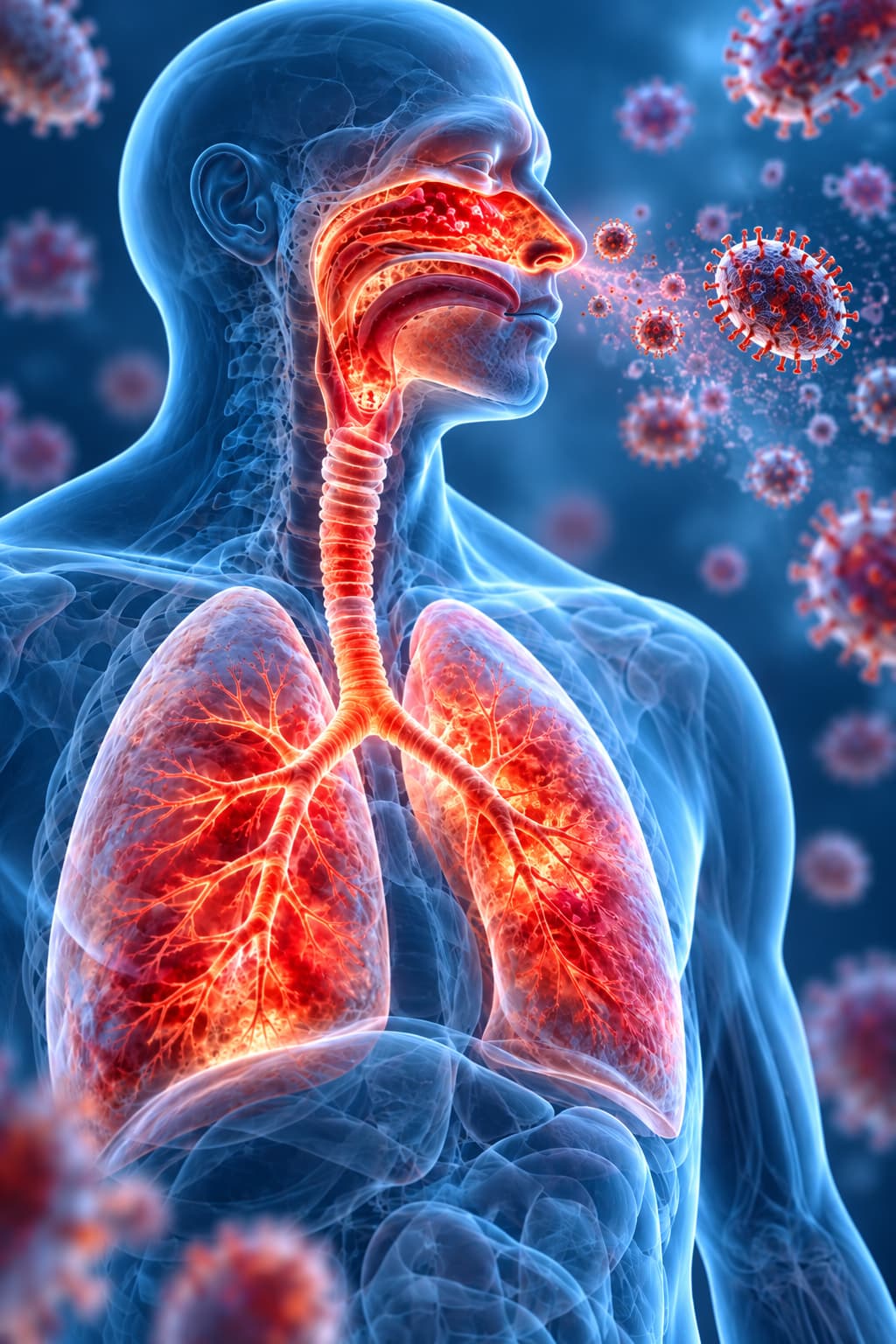
Influenza is an acute respiratory infection caused by influenza viruses. These viruses primarily infect the nose, throat, and lungs.
The illness often begins quickly. A person may feel well in the morning and develop fever, chills, muscle aches, headache, and marked tiredness later the same day.
Most uncomplicated influenza improves within about a week, although cough and tiredness can last longer.
Seasonal influenza should not be confused with illnesses sometimes called "stomach flu." Vomiting and diarrhea can occur with influenza, particularly in children, but influenza is primarily a respiratory infection. Most illnesses commonly called stomach flu are caused by other viruses affecting the digestive system.
What Types of Influenza Virus Infect People?
Influenza viruses are divided into several types.
Influenza A causes seasonal influenza and has also caused influenza pandemics. Influenza A viruses are further classified according to proteins on their surface called hemagglutinin, represented by H, and neuraminidase, represented by N. Examples include H1N1 and H3N2.
Influenza B also causes seasonal outbreaks in humans. Influenza B viruses are not divided into H and N subtypes in the same way as influenza A.
Influenza A and B are responsible for most seasonal flu illness.
Influenza viruses continually accumulate small genetic changes. This process, called antigenic drift, can allow newer viruses to partly escape immunity from previous infections or vaccination. More substantial changes in influenza A viruses can occasionally contribute to the emergence of a pandemic strain (1, 2).
How Does Influenza Spread?
Influenza spreads mainly from one person to another through virus-containing respiratory particles released when an infected person talks, coughs, sneezes, or breathes.
Transmission is more likely during close indoor contact, particularly in crowded or poorly ventilated environments.
Virus can also reach the nose, mouth, or eyes after a person touches contaminated hands or surfaces, although close respiratory exposure is an important route.
People can sometimes spread influenza before they realize they are ill. They are generally most infectious during the first few days of illness.
Children and people with weakened immune systems may remain infectious for longer than healthy adults.
How Long After Exposure Do Symptoms Begin?
The incubation period is the time between infection and the appearance of symptoms.
For influenza, symptoms commonly begin about one to four days after exposure, with around two days being typical.
Because people may become infectious shortly before symptoms appear, influenza can spread before someone knows that they are sick.
This short incubation period is one reason influenza can move rapidly through households, schools, workplaces, hospitals, aged-care facilities, and other communities.
What Are the Symptoms of Influenza?
Influenza often causes symptoms more suddenly and intensely than a common cold.
Common symptoms include:
- fever or feeling feverish
- chills
- dry cough
- sore throat
- runny or blocked nose
- headache
- muscle or body aches
- marked tiredness
- weakness
Not everyone with influenza develops a fever.
Children may also experience nausea, vomiting, diarrhea, or abdominal symptoms more often than adults.
The cough and tiredness may continue after fever and other symptoms have improved (1, 2).
What Is the Difference Between Influenza and a Common Cold?
Influenza and the common cold are both respiratory infections, but they are caused by different viruses.
A cold usually develops gradually. Runny nose, nasal congestion, sneezing, and mild sore throat are common. Fever and severe muscle aches are less common in adults.
Influenza often begins more abruptly. Fever, headache, muscle aches, chills, marked tiredness, and a dry cough are more typical.
These patterns can provide clues, but symptoms can overlap. It is not always possible to distinguish influenza from another respiratory infection based on symptoms alone.
How Is Influenza Different From COVID-19?
Influenza and COVID-19 are caused by different viruses. Influenza is caused by influenza viruses, while COVID-19 is caused by SARS-CoV-2.
Both illnesses can cause fever, cough, sore throat, tiredness, headache, and muscle aches. Either can be mild or severe.
Because the symptoms overlap considerably, a person's symptoms alone may not reliably show which infection is present. Laboratory tests can distinguish influenza from COVID-19 when knowing the cause will affect treatment or infection-control decisions (1).
It is also possible to become infected with influenza and another respiratory virus at the same time.
Who Is at Higher Risk of Serious Influenza?
Anyone can develop complications from influenza, but some groups have a greater risk.
These include:
- young children, particularly very young children
- older adults
- pregnant women and people who have recently given birth
- people with chronic lung disease such as asthma
- people with heart disease
- people with diabetes
- people with chronic kidney, liver, neurological, or metabolic conditions
- people with weakened immune systems
- people with certain other long-term medical conditions
The precise groups prioritized for vaccination and antiviral treatment vary somewhat between countries and health systems.
A person at increased risk should seek medical advice early when influenza is suspected because antiviral treatment is most useful when started promptly (3, 6).
What Complications Can Influenza Cause?
Most people recover from influenza without serious complications, but the infection can sometimes become severe.
Pneumonia: Influenza itself can cause viral pneumonia. A secondary bacterial pneumonia can also develop after influenza.
Worsening of existing disease: Influenza can make asthma, chronic obstructive pulmonary disease, heart failure, diabetes, and other chronic illnesses more difficult to control.
Dehydration: Fever, poor fluid intake, vomiting, or diarrhea can cause dehydration.
Ear infections: These are particularly common in children.
Sinus infections: Inflammation following influenza may contribute to sinus problems.
Less common but serious complications can affect the heart, brain, muscles, or other organs.
Severe influenza can cause respiratory failure, require intensive care, and occasionally result in death (1, 2).
Can Influenza Affect the Heart?
Yes. Influenza is mainly a respiratory illness, but its effects are not limited to the lungs.
Influenza can place additional stress on the cardiovascular system. Fever, inflammation, increased heart rate, changes in oxygen levels, and the body's immune response can place greater demands on the heart.
People with existing cardiovascular disease have a greater risk of serious influenza complications.
Influenza has also been associated with complications such as myocarditis, which is inflammation of the heart muscle, although this is uncommon.
Preventing influenza is therefore particularly important for people with significant heart disease.
How Is Influenza Diagnosed?
During a known influenza outbreak, a clinician may sometimes diagnose uncomplicated influenza from the person's symptoms and exposure history.
Testing becomes more important when the result may affect treatment, hospitalization, infection-control measures, or the investigation of severe illness.
Samples are usually collected from the nose or throat.
Molecular tests, including polymerase chain reaction tests, detect genetic material from influenza viruses. These tests are generally more sensitive than traditional rapid antigen tests.
Some modern molecular tests can detect influenza A, influenza B, SARS-CoV-2, and sometimes other respiratory viruses from the same sample.
A negative rapid antigen test does not always exclude influenza, particularly when influenza is circulating widely and the symptoms strongly suggest it (1).
Does Everyone With Influenza Need a Test?
No.
Many healthy people with a mild, uncomplicated influenza-like illness do not require laboratory confirmation.
Testing is more useful when a person is hospitalized, seriously ill, at increased risk of complications, or when identifying the virus will change treatment or infection-control decisions.
Testing can also be valuable when several respiratory viruses are circulating at the same time because influenza, COVID-19, respiratory syncytial virus, and other infections can cause similar symptoms.
For people who need urgent antiviral treatment, treatment should not necessarily be delayed while waiting for test results (3).
How Is Influenza Treated?
Treatment depends on the severity of the illness and the person's risk of complications.
For many otherwise healthy people with mild influenza, treatment focuses on comfort and recovery.
This may include:
- adequate rest
- drinking enough fluids
- appropriate treatment for fever, headache, or body aches
- monitoring for worsening symptoms
Antiviral medicines may be recommended for selected people.
People who are hospitalized, seriously ill, experiencing progressive disease, or at increased risk of complications should be assessed promptly for antiviral treatment (3, 4).
What Antiviral Medicines Are Used for Influenza?
Several antiviral medicines can act against influenza viruses. Availability and approved uses differ between countries.
Oseltamivir is an oral antiviral that has been widely used to treat influenza A and B.
Zanamivir is an inhaled antiviral used in selected patients.
Peramivir is given intravenously and may be used in particular clinical situations.
Baloxavir marboxil is an oral antiviral with a different mechanism of action and can be given as a single dose for uncomplicated influenza in eligible patients in countries where it is approved.
The appropriate medicine depends on age, pregnancy, underlying medical conditions, illness severity, local recommendations, drug availability, and patterns of antiviral resistance (3-5).
When Should Antiviral Treatment Start?
Antiviral treatment generally provides the greatest benefit when started early, particularly within the first two days after symptoms begin.
However, the 48-hour period should not be interpreted as an absolute cutoff.
People who are hospitalized or have severe, progressive, or complicated influenza may still benefit from antiviral treatment even when treatment begins later.
People at increased risk of serious complications should seek medical advice early rather than waiting several days to see whether the illness improves.
Treatment decisions for suspected serious influenza should not always wait for laboratory confirmation (3, 4).
Do All Healthy People With Mild Influenza Need Antivirals?
Not necessarily.
Most otherwise healthy people with uncomplicated influenza recover without antiviral treatment.
The likely benefit of an antiviral needs to be considered alongside the person's age, health, severity of symptoms, timing of treatment, possible adverse effects, and local treatment recommendations.
A 2025 systematic review found that the benefits of antiviral medicines for nonsevere influenza vary between drugs and patient groups. Baloxavir may shorten symptoms and may reduce hospitalization in some higher-risk patients, while the benefit of other antivirals for uncomplicated low-risk illness is more limited or uncertain (3).
This differs from the clearer priority placed on prompt treatment for people with severe disease or a high risk of complications.
Do Antibiotics Treat Influenza?
No. Antibiotics kill or inhibit bacteria. Influenza is caused by a virus.
Antibiotics do not treat uncomplicated influenza and should not be used simply because a person has fever, cough, or yellow or green mucus.
However, influenza can sometimes be followed by a bacterial infection, particularly bacterial pneumonia. Antibiotics may then be required to treat the bacterial complication.
Unnecessary antibiotic use can cause side effects and contribute to antibiotic resistance.
What Should People With Influenza Do at Home?
Most people with uncomplicated influenza can recover at home.
Rest and adequate fluid intake are important.
People should avoid close contact with others while they are acutely ill, particularly with people at higher risk of severe influenza.
Covering coughs and sneezes, washing hands, improving indoor ventilation, and avoiding sharing items contaminated with respiratory secretions can help reduce spread.
Returning to normal activities should depend on improvement in symptoms, fever, general health, and applicable local public-health advice.
When Does Influenza Require Urgent Medical Attention?
Medical attention is particularly important when symptoms are severe, worsening, or occurring in someone at high risk of complications.
Warning signs can include:
- difficulty breathing
- severe or persistent chest pain
- blue or gray discoloration of the lips or skin
- confusion or difficulty waking
- severe weakness
- signs of dehydration
- seizures
- symptoms that improve and then return with a new fever or worsening cough
In children, additional warning signs can include difficulty breathing, poor fluid intake, unusual sleepiness, inability to interact normally, or signs of dehydration.
Any rapidly deteriorating illness requires urgent assessment.
How Does the Influenza Vaccine Work?
Influenza vaccines expose the immune system to selected influenza antigens without causing ordinary influenza infection.
The immune system responds by producing antibodies and other immune defenses. If a vaccinated person later encounters a similar influenza virus, the immune system can respond more rapidly.
Influenza vaccines do not provide complete protection against every influenza infection.
Their main value is reducing the chance of influenza and, importantly, reducing the likelihood of serious outcomes such as pneumonia, hospitalization, intensive-care admission, and other complications.
A 2026 systematic review found that seasonal influenza vaccination provided meaningful protection against several severe influenza outcomes, although effectiveness varied between seasons, age groups, and circulating strains (5).
Why Is an Influenza Vaccine Needed Every Year?
There are two main reasons.
First, influenza viruses change continually. Vaccine strains are therefore reviewed regularly so that vaccines can be matched as closely as possible to viruses expected to circulate during the coming influenza season.
Second, immune protection decreases over time.
For these reasons, influenza vaccination is given seasonally rather than relying indefinitely on a vaccine received years earlier.
Vaccines are produced for the influenza season relevant to different parts of the world.
Can You Still Get Influenza After Vaccination?
Yes.
Influenza vaccination cannot prevent every infection because the circulating viruses may differ from vaccine strains and individual immune responses vary.
A person may also be infected shortly before vaccination or before sufficient immune protection has developed.
However, vaccination can still be valuable when infection occurs. Vaccinated people may have a lower risk of severe disease and serious complications (5).
The fact that a vaccine is not 100% effective does not mean that it provides no protection.
Can the Flu Vaccine Cause Influenza?
Injected influenza vaccines cannot cause influenza because they do not contain live influenza virus capable of producing ordinary influenza infection.
Some people develop temporary soreness at the injection site, tiredness, headache, or mild fever as the immune system responds to vaccination.
A live attenuated influenza vaccine is available in some countries as a nasal spray for eligible people. It contains weakened virus designed not to cause ordinary influenza in healthy recipients.
Which vaccine is suitable depends on age, health, pregnancy status, local availability, and national recommendations.
Who Should Receive Influenza Vaccination?
Influenza vaccination recommendations differ somewhat between countries.
Many national programs recommend annual vaccination broadly, while particular emphasis is placed on people at increased risk of complications and people who may transmit influenza to vulnerable individuals.
Children, older adults, pregnant women, people with chronic medical conditions, and people with weakened immune systems are among the groups commonly prioritized.
For example, current U.S. guidance recommends annual influenza vaccination for people aged six months and older who do not have a contraindication, and pediatric guidance similarly recommends routine annual vaccination beginning at six months of age (6).
People should follow the recommendations that apply in their own country and to their individual health circumstances.
Is Influenza Vaccination Safe During Pregnancy?
Influenza during pregnancy can be more serious because pregnancy changes the immune, respiratory, and cardiovascular systems.
Influenza vaccination is therefore routinely recommended during pregnancy in many countries.
Inactivated influenza vaccines are widely used during pregnancy. Vaccination also produces antibodies that can cross the placenta and provide some protection to the infant during the first months of life, before the baby is old enough to receive influenza vaccine directly.
Pregnant people who develop suspected influenza should seek medical advice promptly because pregnancy is also an important consideration when deciding on antiviral treatment.
How Is Influenza Managed in Children?
Most children recover without complications, but influenza can occasionally cause severe disease even in previously healthy children.
Young children and children with certain chronic medical conditions are at greater risk.
Children may have respiratory symptoms similar to adults but can also experience vomiting, diarrhea, irritability, poor feeding, or febrile seizures.
Annual influenza vaccination is recommended for eligible children under many national immunization programs.
Antiviral treatment is particularly important to consider in children who are hospitalized, have severe or progressive influenza, or have medical conditions that place them at increased risk of complications (6).
How Can Influenza Be Prevented Apart From Vaccination?
Vaccination is the central preventive measure, but additional steps can reduce transmission.
These include:
- avoiding close contact with people who are acutely ill when practical
- staying away from others when sick
- covering coughs and sneezes
- washing hands regularly
- avoiding touching the eyes, nose, and mouth with unwashed hands
- improving ventilation in shared indoor spaces
- cleaning frequently handled surfaces when appropriate
People at particularly high risk may occasionally be offered antiviral medicine after close exposure to influenza. This is called post-exposure prophylaxis and is used selectively rather than routinely for everyone exposed (4).
Can a Person Get Influenza More Than Once?
Yes.
Previous influenza infection does not provide permanent protection against all future influenza viruses.
Different influenza A subtypes and influenza B viruses can circulate during the same season. Influenza viruses also change over time.
A person who recovers from one strain may therefore later become infected with another.
This is another reason previous influenza infection does not replace annual vaccination.
How Long Does Influenza Last?
For many otherwise healthy people, the most intense symptoms improve within several days.
Fever commonly settles before the cough and tiredness disappear.
Cough can continue for two weeks or longer, and some people experience reduced energy for a period after the acute infection.
Recovery can take longer in older adults, people with serious underlying illnesses, and people who develop pneumonia or another complication.
Persistent or worsening symptoms should be assessed rather than automatically assumed to be part of normal recovery.
What Is the Outlook for People With Influenza?
Most healthy people with uncomplicated influenza recover completely.
The outlook is less predictable when influenza causes pneumonia, worsens another medical condition, or occurs in someone with significant risk factors.
Modern supportive care, vaccination, diagnostic testing, and antiviral medicines have improved influenza prevention and management, but influenza continues to cause substantial illness worldwide.
The most effective approach combines annual vaccination, early recognition of severe or high-risk illness, appropriate antiviral treatment, and practical measures that reduce transmission.
Conclusion
Influenza, or flu, is a contagious respiratory infection caused mainly by influenza A and B viruses. It usually causes sudden fever, cough, headache, muscle aches, tiredness, and sore throat, although symptoms vary. Most healthy people recover without complications, but influenza can cause pneumonia, hospitalization, and serious illness in vulnerable people. Laboratory testing is useful when the diagnosis will affect treatment or infection control. Antiviral medicines are particularly important for people with severe disease or a higher risk of complications and work best when started promptly. Antibiotics do not treat influenza itself. Annual influenza vaccination remains the main preventive measure and can reduce both influenza illness and serious complications.
References
- Sukhdeo S, Lee N. Influenza: clinical aspects, diagnosis, and treatment. Curr Opin Pulm Med. 2022;28(3):199-204. https://doi.org/10.1097/MCP.0000000000000860
- Ameen YK. Seasonal influenza: a narrative review of epidemiology, clinical features, and preventive strategies. Cureus. 2025;17(10). https://doi.org/10.7759/cureus.95336
- Gao Y, Zhao Y, Liu M, et al. Antiviral medications for treatment of nonsevere influenza: a systematic review and network meta-analysis. JAMA Intern Med. 2025;185(3):293-301. https://doi.org/10.1001/jamainternmed.2024.7193
- Gao Y, Guyatt G, Uyeki TM, et al. Antivirals for treatment of severe influenza: a systematic review and network meta-analysis of randomised controlled trials. Lancet. 2024;404(10454):753-763. https://doi.org/10.1016/S0140-6736(24)01307-2
- Yegorov S, Patel OD, Sharma H, et al. Effectiveness of influenza vaccination to prevent severe disease: a systematic review and meta-analysis of test-negative design studies. Clin Microbiol Infect. 2026;32(2):219-229. https://doi.org/10.1016/j.cmi.2025.09.023
- Committee on Infectious Diseases. Recommendations for prevention and control of influenza in children, 2025-2026: technical report. Pediatrics. 2025;156(6). https://doi.org/10.1542/peds.2025-073622
This article is part of the 'Public Education Series' initiative by Exon Publications.
Disclaimer: This article is for general educational purposes only and does not constitute medical advice, diagnosis, or treatment. Consult a qualified healthcare professional about personal health concerns.
Note on External Links: External links were checked and accessible when this article was published. Their content and availability may change over time and are outside the control of Exon Publications.
Downloads
Article Details

This work is licensed under a Creative Commons Attribution-NonCommercial-NoDerivatives 4.0 International License.