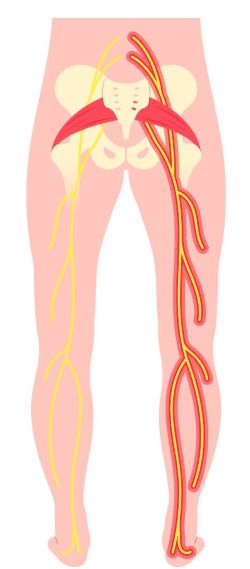

Sciatica is a condition that causes pain along the path of the sciatic nerve, which extends from the lower back through the hips, buttocks, and legs. This article provides a comprehensive guide on sciatica, covering its causes, symptoms, diagnosis, treatment options, and management strategies. It begins by explaining what sciatica is and how it differs from other forms of back pain. The discussion includes how common sciatica is, highlighting its prevalence among different age groups and risk factors such as obesity, prolonged sitting, and genetic predisposition, including genes like COL9A3 and PARK2 that have been linked to spinal disc degeneration. The symptoms section outlines common signs such as sharp pain, tingling, numbness, and muscle weakness in the affected leg. The pathophysiology section explains how nerve compression leads to inflammation and pain. The diagnosis section covers medical evaluations, physical examinations, and imaging tests like MRI and CT scans to identify underlying spinal abnormalities. The article explores potential complications such as chronic pain and nerve damage if left untreated. Treatment options include pain relievers like ibuprofen (Advil), muscle relaxants such as cyclobenzaprine (Flexeril), physical therapy, and in severe cases, surgical interventions like microdiscectomy. The prognosis and living with sciatica sections offer practical guidance on symptom management and lifestyle modifications, emphasizing the importance of exercise and posture correction. The article is written in simple terms to ensure that all readers can easily understand and apply the information to manage sciatica effectively. This is part of the 'Public Education Series' initiative by Exon Publications.
DOI: https://doi.org/10.36255/sciatica
Published: 2025-03-07