
Sciatica Types, Causes, Symptoms, Diagnosis, and Treatments
Article Sidebar
Main Article Content
Sciatica is a condition that causes pain along the path of the sciatic nerve, which runs from the lower back through the hips, buttocks, and down each leg. It is often a result of pressure or damage to the nerve due to conditions such as herniated discs, bone spurs, or spinal stenosis. This article provides an in-depth guide to sciatica, covering its causes, symptoms, diagnosis, treatment, and management strategies. Understanding sciatica is essential for individuals experiencing chronic pain, as well as their loved ones, to help manage symptoms and improve quality of life. The information is presented in simple terms to ensure accessibility for all readers.
Cite as: Sciatica: Types, Causes, Symptoms, Diagnosis and Treatments. Brisbane (AU): Exon Publications; 2025. Published on 05 Mar. DOI: https://doi.org/10.36255/sciatica-types-causes-symptoms-diagnosis-treatments
Introduction
The human body relies on a complex network of nerves to send and receive messages that control movement and sensation. The sciatic nerve, the largest nerve in the body, plays a crucial role in the function of the lower limbs. Sciatica occurs when this nerve becomes compressed or irritated, leading to pain, numbness, or weakness that can significantly impact daily activities. This article provides an extensive overview of sciatica, its prevalence, types, risk factors, symptoms, and available treatment options. By understanding sciatica, individuals can take proactive steps toward managing their condition and improving their quality of life (1-3).
What is Sciatica?
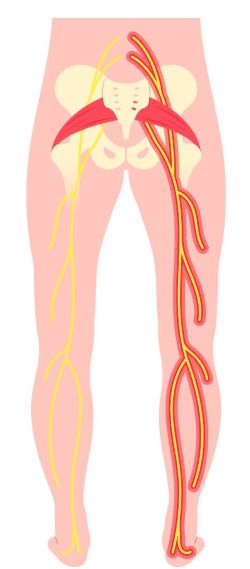
Sciatica refers to pain that originates from the sciatic nerve. This pain typically radiates from the lower back down one or both legs, often following a distinct pattern along the nerve’s path. Sciatica is not a disease itself but rather a symptom of an underlying condition that is affecting the sciatic nerve. This could be a herniated disc, spinal stenosis, or other spinal abnormalities. The discomfort associated with sciatica can range from mild to severe, and it may be accompanied by sensations of tingling, numbness, or weakness in the affected leg.

Sciatica refers to pain that originates from the sciatic nerve. This pain typically radiates from the lower back down one or both legs, often following a distinct pattern along the nerve’s path. Image Credit: Pepermpron via Canva.com
How Common is Sciatica?
Sciatica is a relatively common condition that affects people of all ages, though it is more prevalent among individuals over the age of 30. Studies suggest that approximately 10 to 40 percent of people will experience sciatica at some point in their lives. It is frequently seen in individuals with physically demanding jobs, those who sit for long periods, or people who engage in activities that involve heavy lifting. Genetics may also play a role, with specific genes such as COL9A3 and PARK2 being linked to an increased risk of lumbar disc degeneration, a leading cause of sciatica.
Types of Sciatica
Sciatica can be classified based on its cause and duration. One type of sciatica results from direct nerve compression due to structural issues in the spine, such as herniated discs or bone spurs. Another type occurs due to muscle tension or inflammation that affects the nerve. The condition can also be categorized as acute or chronic. Acute sciatica lasts for a short period, often resolving with conservative treatments, while chronic sciatica persists for longer durations and may require more intensive management.
Risk Factors and Causes of Sciatica
Several factors can contribute to the development of sciatica. Age-related changes in the spine, such as disc degeneration, increase the risk of nerve compression. Obesity adds extra pressure to the spine and can contribute to the development of spinal conditions that trigger sciatica. A sedentary lifestyle can weaken the muscles that support the spine, making individuals more prone to nerve irritation. Additionally, individuals who engage in heavy lifting, prolonged sitting, or repetitive movements may have a higher likelihood of developing sciatica. Genetic factors, such as mutations in the COL11A1 gene, have been associated with an increased susceptibility to spinal disorders that may cause sciatica.
Symptoms of Sciatica
The symptoms of sciatica can vary in intensity and duration. The most common symptom is pain that radiates from the lower back to the leg. This pain may be sharp, burning, or aching, and it often worsens with prolonged sitting, standing, or movement. Numbness or tingling sensations in the affected leg may occur due to nerve compression. In some cases, individuals experience muscle weakness, making it difficult to walk or stand properly. The symptoms usually affect only one side of the body, but in rare cases, they can be bilateral.
Pathophysiology of Sciatica
Sciatica occurs when the sciatic nerve becomes irritated, compressed, or inflamed. The nerve originates from the lower spine and branches out to control sensation and movement in the legs. When there is a structural issue in the spine, such as a herniated disc, the nerve can become compressed, leading to pain and neurological symptoms. The inflammatory response triggered by nerve compression can further exacerbate symptoms by increasing swelling and reducing blood flow to the affected area. Over time, prolonged nerve compression can lead to more severe complications, such as permanent nerve damage.
Diagnosis of Sciatica
Diagnosing sciatica involves a combination of medical history, physical examination, and imaging tests. A healthcare provider may ask about symptoms, their duration, and activities that worsen or alleviate the pain. A physical examination may include tests to assess reflexes, strength, and sensation in the legs. Imaging tests such as X-rays, magnetic resonance imaging (MRI), or computed tomography (CT) scans can provide detailed views of the spine and identify structural abnormalities that may be causing nerve compression. Electromyography (EMG) may be used to assess nerve function and confirm the presence of sciatic nerve involvement.
Complications of Sciatica
If left untreated, sciatica can lead to complications such as chronic pain and mobility issues. Severe cases may result in muscle weakness that affects walking and daily activities. In rare instances, nerve damage can cause loss of bladder or bowel control, a condition known as cauda equina syndrome, which requires immediate medical attention. Persistent nerve compression can also lead to long-term neurological impairments.
Treatment and Management of Sciatica
Sciatica treatment focuses on relieving pain and addressing the underlying cause. Pain relievers such as ibuprofen (Advil) or naproxen (Aleve) may help reduce inflammation. Muscle relaxants like cyclobenzaprine (Flexeril) can alleviate muscle spasms. Physical therapy is often recommended to strengthen the back and improve flexibility. For severe cases, corticosteroid injections may be used to reduce nerve inflammation. In cases where conservative treatments fail, surgical options such as microdiscectomy or laminectomy may be considered.
Prognosis of Sciatica
The prognosis of sciatica varies depending on its cause and treatment. Many cases improve with conservative treatments within a few weeks. However, individuals with chronic or recurrent sciatica may require long-term management strategies. Early intervention and appropriate treatment can significantly improve outcomes and prevent complications.
Living with Sciatica
Living with sciatica requires adopting lifestyle modifications to reduce symptoms and prevent flare-ups. Regular physical activity, proper posture, and weight management can help maintain spinal health. Stretching exercises and ergonomic adjustments in daily activities can reduce strain on the lower back. Seeking medical guidance and following a structured treatment plan can significantly improve quality of life for individuals with sciatica.
Conclusion
Sciatica is a common condition that affects many individuals, causing pain and discomfort that can interfere with daily life. Understanding its causes, symptoms, and treatment options can help individuals manage the condition effectively. By seeking timely medical attention and adopting healthy lifestyle habits, individuals with sciatica can reduce pain and improve their overall well-being. The information in this article is presented in clear and simple language to ensure that all readers can understand it.
References
- Ropper AH, Zafonte RD. Sciatica. N Engl J Med. 2015;372(13):1240-1248. https://doi.org/10.1056/NEJMra1410151
- Stafford MA, Peng P, Hill DA. Sciatica: a review of history, epidemiology, pathogenesis, and the role of imaging in diagnosis. Spine J. 2007;7(5):501-511.
- Konstantinou K, Dunn KM. Sciatica: review of epidemiological studies and prevalence estimates. Spine. 2008;33(22):2464-2472. https://doi.org/10.1097/BRS.0b013e318183a4a2
Notice to the User
This article is part of the 'Public Education Series' initiative by Exon Publications. It was written by professional medical writers for the general public in plain language, based on peer-reviewed articles indexed in PubMed, and further reviewed for scientific accuracy by experts. The views and opinions expressed in this article are believed to be accurate at the time of publication. However, the publisher, editors, and authors cannot be held responsible or liable for any errors, omissions, or consequences arising from the use of the information provided. The publisher makes no warranties, explicit or implicit, regarding the contents of this article or its use. The information in this article is intended solely for informational purposes and should not be considered medical advice.
Downloads
Article Details

This work is licensed under a Creative Commons Attribution-NonCommercial-NoDerivatives 4.0 International License.