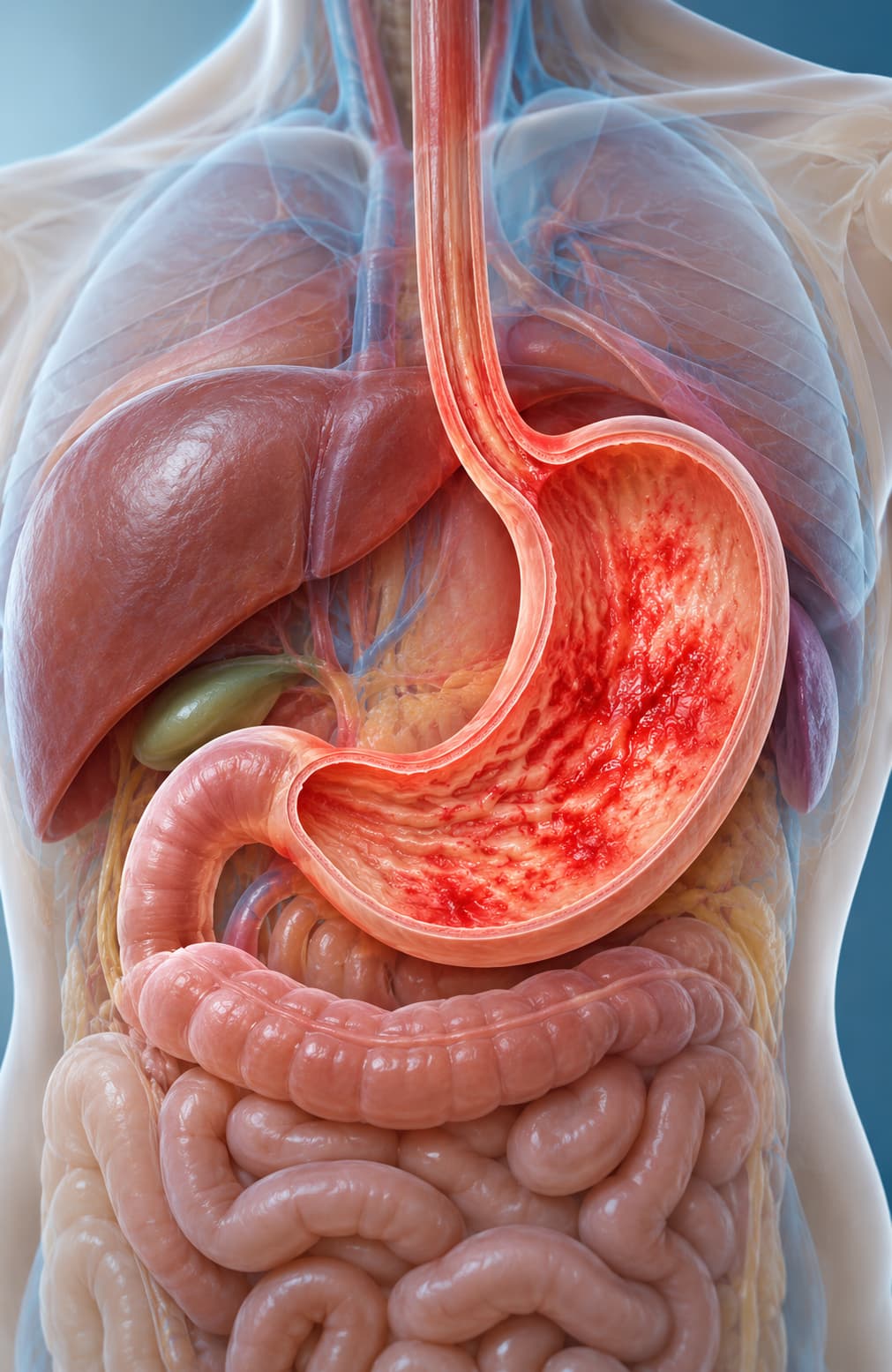

Gastritis is a common stomach condition that occurs when the lining of the stomach becomes inflamed. This article explains in simple terms what gastritis is and how it affects the digestive system.
It describes the different types, including acute, chronic, erosive, and autoimmune gastritis, and explains how each one develops. The causes and risk factors section highlights common reasons like Helicobacter pylori infection, regular use of anti-inflammatory drugs, excessive alcohol intake, smoking, stress, and autoimmune diseases.
The article outlines common symptoms such as stomach pain, bloating, indigestion, nausea, vomiting, and bleeding in severe cases. It also explains how doctors diagnose gastritis through symptom checks, physical exams, blood tests, breath tests, and procedures like upper endoscopy. The stages of gastritis are discussed based on severity, from mild irritation to chronic inflammation that can lead to serious complications like ulcers or stomach cancer.
Treatment options include antibiotics for infections, acid-reducing medications, antacids, lifestyle changes, and, in some cases, supplements for vitamin deficiencies. Managing side effects of medications and knowing when to seek medical advice are emphasized for safe recovery.
The article also talks about the long-term outlook for people with gastritis, stressing that most cases improve with proper care. Tips for reducing risks include maintaining a healthy diet, avoiding known irritants, and attending regular medical check-ups. Finally, the article shares advice on living with gastritis, focusing on healthy habits and open communication with healthcare providers.
The information is presented in simple terms to ensure it is understandable for all readers. This is part of the 'Public Education Series' initiative by Exon Publications.
DOI: https://doi.org/10.36255/gastritis
Published: 2024-07-07