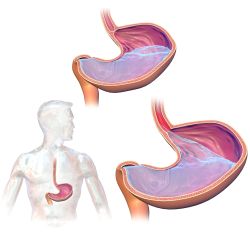
Acid reflux is a common digestive condition that occurs when stomach acid flows back into the esophagus, leading to symptoms such as heartburn, regurgitation, and throat irritation. This article provides a complete guide on acid reflux, including its causes, symptoms, diagnosis, treatment, and long-term management. It begins by explaining what acid reflux is and how it affects digestion. The article discusses how common acid reflux is, highlighting its prevalence across different age groups and risk factors such as obesity, diet, and genetic influences, including the GNB3 and MTHFR genes. The symptoms section describes heartburn, regurgitation, chronic cough, and throat discomfort, while the pathophysiology section explains how dysfunction in the lower esophageal sphincter allows acid to enter the esophagus. The diagnosis section outlines the importance of medical evaluation, including endoscopy and pH monitoring. The article also explores complications such as esophagitis, Barrett’s esophagus, and respiratory issues. Treatment options include dietary changes, medications like omeprazole (Prilosec) and ranitidine (Zantac), and surgical interventions in severe cases. The article concludes with practical tips on living with acid reflux, focusing on dietary modifications, lifestyle changes, and long-term health monitoring. The information is presented in clear and simple language to ensure that all readers can easily understand and apply it. This is part of the 'Public Education Series' initiative by Exon Publications.
DOI: https://doi.org/10.36255/acid-reflux
Published: 2025-03-07