
Acid Reflux (GERD): Types, Causes, Symptoms, Diagnosis, and Treatments
Article Sidebar
Main Article Content
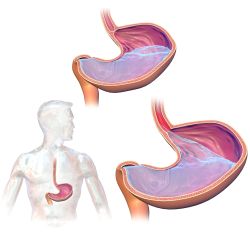
Acid reflux happens when stomach contents flow backward into the esophagus, the tube that carries food from the mouth to the stomach. It can cause heartburn, a sour taste, and food or liquid coming back into the throat. Occasional reflux is common, but repeated or troublesome reflux may be gastroesophageal reflux disease (GERD). Treatment can include changes in eating habits, weight management, medicines that reduce stomach acid, and, for some people, procedures or surgery. Most people can control their symptoms well. Persistent reflux should be assessed when symptoms are severe, treatment does not work, or warning signs are present.
Cite as: Acid Reflux (GERD): Symptoms, Causes, Diagnosis, Treatment, and Prevention. Brisbane (AU): Exon Publications; 2025 Mar 07 [updated 2026 Oct 02].
Introduction
Acid reflux is one of the most common digestive problems. Almost everyone may experience it occasionally, especially after a large meal. The problem becomes more important when reflux happens often, causes troublesome symptoms, damages the esophagus, or affects daily life. This condition is called gastroesophageal reflux disease (GERD). Modern treatment is based on the type and severity of symptoms rather than treating every episode of heartburn in the same way (1, 2).
What Is Acid Reflux and How Is It Different from GERD?
Acid reflux means that material from the stomach moves backward into the esophagus. Doctors also call this gastroesophageal reflux. The stomach contents may contain acid, food, and digestive fluids.
A ring of muscle called the lower esophageal sphincter sits between the esophagus and stomach. It normally opens when food enters the stomach and then closes. Reflux can occur when this barrier relaxes at the wrong time or does not prevent stomach contents from moving upward (1).
An occasional episode of reflux does not necessarily mean that a person has a disease. Gastroesophageal reflux disease (GERD) is present when reflux repeatedly causes troublesome symptoms or leads to complications. Some people with GERD have visible inflammation or damage in the esophagus, while others have typical reflux symptoms even though the lining looks normal during endoscopy (1, 2).
What Causes Acid Reflux?
Acid reflux usually develops because the barrier between the stomach and esophagus does not work effectively. Brief periods of relaxation of the lower esophageal sphincter are a major cause. Pressure within the abdomen can also push stomach contents upward.
A hiatal hernia can make reflux more likely. This occurs when part of the stomach moves upward through the opening in the diaphragm, the large muscle that separates the chest from the abdomen. A hiatal hernia does not always cause symptoms, but larger hernias can weaken the normal anti-reflux barrier (1).
Excess body weight can increase pressure on the stomach and raise the chance of GERD. Pregnancy can also cause reflux because hormones relax the lower esophageal sphincter and the growing uterus increases pressure inside the abdomen.
Some medicines may make reflux worse by relaxing the lower esophageal sphincter or affecting movement through the digestive system. Medicines should not be stopped simply because reflux develops; the possible connection can instead be reviewed when symptoms are persistent.
What Are the Symptoms of Acid Reflux?
The two most typical symptoms are heartburn and regurgitation. Heartburn is a burning feeling behind the breastbone that may rise toward the throat. It often appears after eating and may become worse when lying down or bending over.
Regurgitation means that stomach contents rise into the chest, throat, or mouth. People may notice a sour or bitter taste or feel liquid or food coming back up.
Other symptoms can include nausea, chest discomfort, difficulty swallowing, or a feeling that food is sticking. GERD may sometimes occur with cough, hoarseness, throat clearing, or asthma-like symptoms. However, these symptoms have many possible causes, so they should not automatically be blamed on acid reflux (1, 2).
Chest pain can also come from the heart. New or severe unexplained chest pain, particularly when accompanied by shortness of breath, sweating, fainting, or pain spreading to the arm or jaw, requires urgent medical assessment.
What Makes Acid Reflux More Likely?
Several factors can increase the chance of reflux or make existing symptoms worse. Excess body weight is an important risk factor because it increases pressure within the abdomen. Pregnancy, a hiatal hernia, and smoking can also contribute (1).
Large meals can make reflux more likely because they stretch the stomach. Eating shortly before lying down can worsen nighttime symptoms. Certain foods and drinks may trigger symptoms in some people, but triggers differ greatly from person to person.
Commonly reported triggers include fatty meals, chocolate, coffee, alcohol, spicy foods, acidic foods, and carbonated drinks. There is no need for everyone with GERD to avoid all of these foods. It is more useful to identify foods that repeatedly cause symptoms in the individual.
How Is Acid Reflux Diagnosed?
Many people with typical heartburn and regurgitation do not need immediate testing. When there are no warning signs, clinicians may initially diagnose suspected GERD from the symptoms and assess the response to a short course of acid-suppressing treatment (1, 2).
Testing becomes more useful when symptoms are unusual, severe, persistent despite treatment, or accompanied by warning signs. Warning signs include difficulty or pain when swallowing, gastrointestinal bleeding, repeated vomiting, unexplained weight loss, or anemia.
Upper endoscopy: During an upper endoscopy, a thin flexible tube with a camera is passed through the mouth to examine the esophagus and stomach. It can identify severe inflammation, narrowing of the esophagus, Barrett's esophagus, cancer, and other conditions that can produce similar symptoms. A normal endoscopy does not rule out GERD because many people with reflux have no visible injury (1, 3).
Reflux monitoring: When the diagnosis remains uncertain, reflux monitoring can measure how often material moves from the stomach into the esophagus. A small wireless capsule or a thin catheter can measure acid exposure over one or more days. Some tests can also detect weakly acidic or non-acid reflux. Modern reflux testing is especially useful when symptoms continue despite treatment or when an invasive anti-reflux procedure is being considered (3).
Esophageal manometry: Manometry measures how the muscles of the esophagus work. It is not normally used by itself to diagnose GERD. It may be performed when swallowing problems are present or before certain reflux procedures to make sure the esophagus moves food normally (1, 3).
How Is Acid Reflux Treated?
Treatment depends on how often reflux occurs, how severe the symptoms are, whether the esophagus has been damaged, and how the person responds to treatment. The aim may be to relieve symptoms, heal inflammation, prevent recurrence, and reduce the risk of complications (1, 2).
People with occasional mild reflux may need only lifestyle changes or short-term symptom relief. People with established GERD may need regular acid-suppressing treatment. Severe disease or reflux that remains troublesome despite appropriate medical treatment may require further testing and, in selected cases, a procedure or surgery (4).
Which Medicines Are Used for Acid Reflux?
Antacids: Antacids neutralize stomach acid and can give relatively quick relief from occasional heartburn. Their effect is usually short-lived, so they are not the main treatment for frequent GERD.
Alginate medicines: Alginates form a floating barrier above the stomach contents and may help reduce reflux after meals. They are available without prescription in many countries, although formulations differ.
H2-receptor blockers: These medicines reduce the amount of acid made by the stomach. Examples include famotidine. They can help mild or occasional symptoms, including some nighttime symptoms, but usually suppress acid less strongly than proton pump inhibitors.
Proton pump inhibitors: Proton pump inhibitors (PPIs), such as omeprazole, esomeprazole, lansoprazole, and pantoprazole, are the main medical treatment for frequent GERD and for healing reflux-related inflammation of the esophagus (1, 4). For typical heartburn or regurgitation without warning signs, an initial course of once-daily PPI treatment is commonly used.
PPIs work best when taken correctly. Most conventional PPIs are taken before a meal because the medicine needs active acid-producing cells to work effectively. Changing the timing or dose may help when symptoms have not responded as expected (1, 5).
Some people need long-term PPI therapy, particularly when reflux returns after treatment stops or when severe erosive esophagitis is present. Others can reduce the dose or stop treatment once symptoms are controlled. The goal is generally to use the lowest treatment intensity that continues to control established GERD (1, 2).
PPIs have been linked in observational studies to many possible long-term health problems. However, an association does not prove that the medicine caused the problem. Current guidelines continue to consider PPIs effective treatments when there is a clear medical reason for their use (1).
When Are Procedures or Surgery Considered?
Most people with GERD do not need surgery. Anti-reflux procedures are generally considered for people with objectively confirmed GERD who continue to have troublesome symptoms despite appropriate treatment, who have certain anatomical problems such as a significant hiatal hernia, or who prefer an intervention after discussing its benefits and risks (4).
Fundoplication is a well-established operation. The upper part of the stomach is wrapped around the lower esophagus to strengthen the barrier against reflux. A hiatal hernia can often be repaired during the same operation.
Magnetic sphincter augmentation uses a ring of small magnetic beads placed around the lower esophagus to help the sphincter remain closed while still allowing food to pass.
Several endoscopic treatments can also strengthen or reconstruct the anti-reflux barrier without conventional abdominal surgery. One example is transoral incisionless fundoplication. The most appropriate procedure depends on the person's anatomy, test results, symptoms, and local expertise. Availability also varies between countries and health systems (4).
These procedures are intended to control reflux. They are not appropriate for every person with heartburn, especially when testing has not confirmed that reflux is actually causing the symptoms.
Can Diet and Lifestyle Reduce Acid Reflux?
Lifestyle measures can reduce symptoms, especially when they address a clear trigger.
For people who are overweight or obese, losing excess weight can improve GERD symptoms. People with nighttime reflux may benefit from avoiding food for about two to three hours before going to bed and from raising the head of the bed. Simply adding extra pillows is often less effective because this may bend the body rather than elevate the upper chest (1).
Smoking cessation has many health benefits and may also reduce reflux in some people.
Large or high-fat meals can worsen symptoms by keeping the stomach fuller for longer. Smaller meals may therefore help some people. Foods do not need to be removed from the diet unless there is a consistent link between that food and symptoms.
Alcohol, coffee, chocolate, spicy food, citrus fruit, tomatoes, and carbonated drinks are often described as reflux triggers. The evidence does not support universal avoidance of every possible trigger. A more practical approach is to limit only the foods or drinks that repeatedly cause symptoms.
What Complications Can GERD Cause?
Most people with GERD do not develop serious complications. However, repeated reflux can sometimes damage the esophagus.
Erosive esophagitis occurs when reflux causes inflammation and breaks in the lining of the esophagus. Severe inflammation may occasionally cause bleeding.
Repeated injury and healing can lead to scar tissue and narrowing of the esophagus. This is called an esophageal stricture and can cause increasing difficulty swallowing.
Long-standing GERD is also associated with Barrett's esophagus, a condition in which the cells lining the lower esophagus change into a different type of cell. Barrett's esophagus increases the risk of a type of cancer called esophageal adenocarcinoma, but most people with Barrett's esophagus never develop cancer (6).
Routine screening for Barrett's esophagus is not recommended for everyone with reflux. Screening is generally considered for people with chronic GERD who also have several additional risk factors. Recommendations depend on age, sex, family history, smoking history, obesity, and other factors (6).
Can Acid Reflux Be Prevented?
Not every case of acid reflux can be prevented. Factors such as pregnancy, a hiatal hernia, and the natural function of the lower esophageal sphincter cannot always be changed.
However, reflux episodes can often be reduced. Maintaining a healthy body weight, avoiding very large meals, allowing time between the evening meal and bedtime, avoiding personal food triggers, and stopping smoking may help (1).
People who already have GERD can also reduce the chance of recurring symptoms by taking prescribed medicines correctly and using the lowest effective long-term treatment when continued therapy is needed.
What Is the Outlook for People with Acid Reflux?
The outlook is generally good. Occasional reflux often improves with simple changes or short-term treatment. GERD is usually a long-term condition that may improve and worsen over time, but most people can control it effectively with lifestyle measures and medicines (1, 2).
Some people can eventually stop regular medication, while others need ongoing treatment to prevent symptoms or heal recurring inflammation. People with severe erosive disease, Barrett's esophagus, or other complications may need longer-term monitoring and treatment.
When symptoms continue despite appropriate acid-suppressing treatment, this does not always mean that stronger medication is needed. Further testing may show ongoing reflux, but it may also identify another cause of the symptoms. Confirming the cause helps avoid unnecessary long-term treatment or procedures (2, 3).
Conclusion
Acid reflux occurs when stomach contents move backward into the esophagus. Occasional reflux is common, while repeated troublesome reflux or reflux that causes complications is known as GERD. Heartburn and regurgitation are the most typical symptoms. Many people can be diagnosed from their symptoms, while endoscopy or reflux monitoring is useful in selected cases. Lifestyle changes and acid-suppressing medicines, especially proton pump inhibitors, control GERD for most people. Surgery or endoscopic treatment may help carefully selected people with confirmed reflux. With appropriate diagnosis and treatment, most people with acid reflux can manage their symptoms and avoid serious complications.
References
- Katz PO, Dunbar KB, Schnoll-Sussman FH, Greer KB, Yadlapati R, Spechler SJ. ACG clinical guideline for the diagnosis and management of gastroesophageal reflux disease. Am J Gastroenterol. 2022;117(1):27-56. https://doi.org/10.14309/ajg.0000000000001538
- Yadlapati R, Gyawali CP, Pandolfino JE; CGIT GERD Consensus Conference Participants. AGA clinical practice update on the personalized approach to the evaluation and management of GERD: Expert review. Clin Gastroenterol Hepatol. 2022;20(5):984-994.e1. https://doi.org/10.1016/j.cgh.2022.01.025
- Gyawali CP, Yadlapati R, Fass R, et al. Updates to the modern diagnosis of GERD: Lyon consensus 2.0. Gut. 2024;73(2):361-371. https://doi.org/10.1136/gutjnl-2023-330616
- ASGE Standards of Practice Committee, Desai M, Ruan W, et al. American Society for Gastrointestinal Endoscopy guideline on the diagnosis and management of GERD: Summary and recommendations. Gastrointest Endosc. 2025;101(2):267-284. https://doi.org/10.1016/j.gie.2024.10.008
- Nguyen T, Barnhill K, Zhornitskiy A, et al. Comparing the efficacy of different proton pump inhibitor dosing regimens for the treatment of gastroesophageal reflux disease: A systematic review and meta-analysis. Dis Esophagus. 2025;38(1). https://doi.org/10.1093/dote/doae109
- Shaheen NJ, Falk GW, Iyer PG, Souza RF, Yadlapati RH, Sauer BG, Wani S. Diagnosis and management of Barrett's esophagus: An updated ACG guideline. Am J Gastroenterol. 2022;117(4):559-587. https://doi.org/10.14309/ajg.0000000000001680
This article is part of the 'Public Education Series' initiative by Exon Publications.
Disclaimer: This article is for general educational purposes only and does not constitute medical advice, diagnosis, or treatment. Consult a qualified healthcare professional about personal health concerns.
Note on External Links: External links were checked and accessible when this article was published. Their content and availability may change over time and are outside the control of Exon Publications.
Explore Other Articles in the Public Education Series
Downloads
Article Details

This work is licensed under a Creative Commons Attribution-NonCommercial-NoDerivatives 4.0 International License.