
Living with Cerebral Palsy
Article Sidebar
Main Article Content
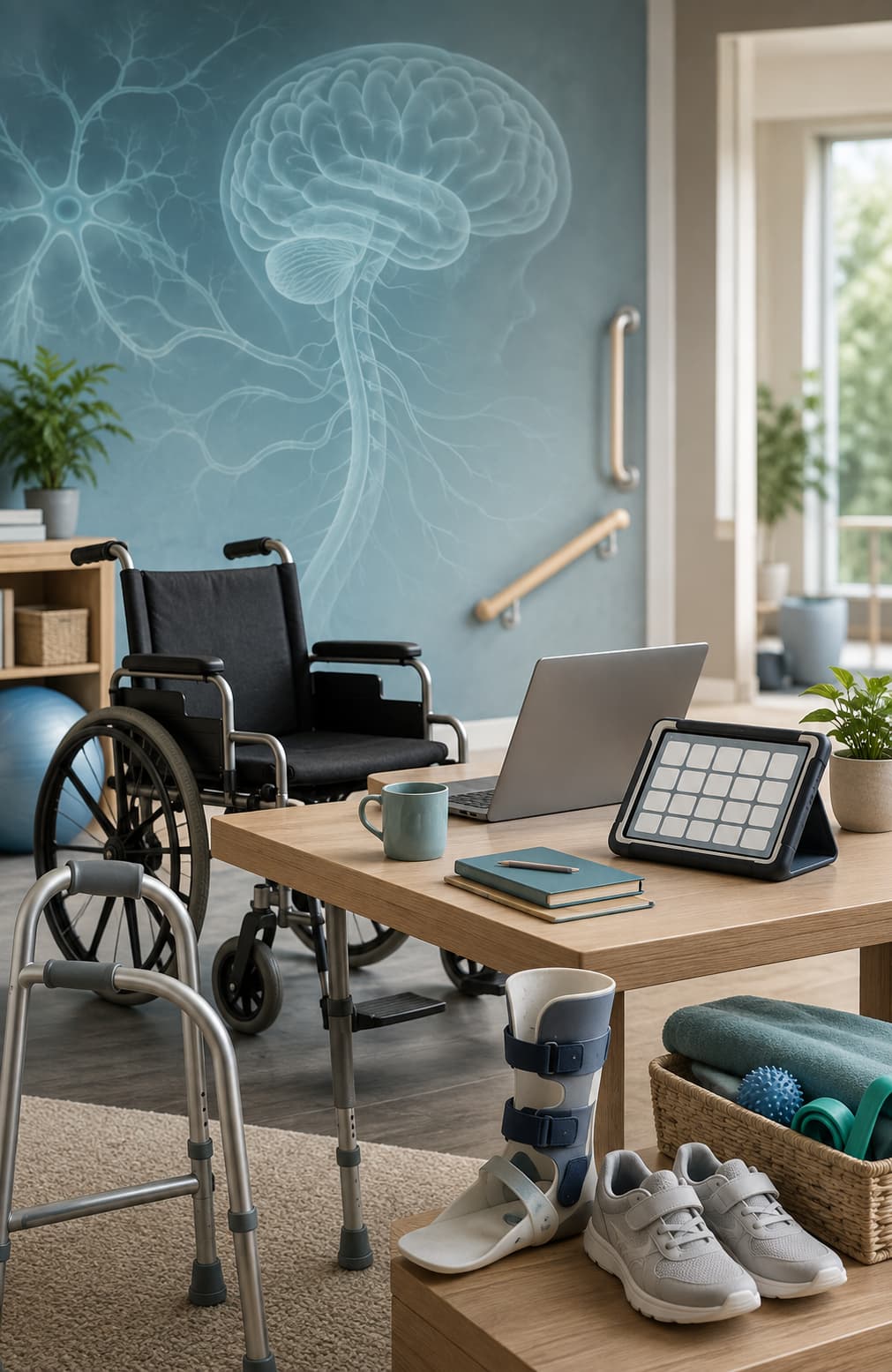
Living with cerebral palsy is different for every person. Some people need little help with daily activities, while others need regular support with mobility, communication, personal care, or health needs. Cerebral palsy does not progressively damage the brain, but its effects can change with growth and aging. Pain, fatigue, accessibility, education, employment, relationships, and social participation can all affect quality of life. Equipment, therapy, communication technology, and practical changes to the environment can support independence. Good long-term care also includes mental health, regular physical activity, social connections, and planned transition from children's services to appropriate adult health care.
Cite as: Living with Cerebral Palsy. Brisbane (AU): Exon Publications; 2024 May 18 [updated 2026 Aug 21].
Introduction
Cerebral palsy is a lifelong condition that mainly affects movement and posture. Its effects vary widely. Some people walk without assistance, while others use walkers, wheelchairs, or other mobility devices. Speech, vision, learning, swallowing, seizures, pain, and other health issues may also be present. Living well with cerebral palsy therefore means more than managing movement problems. It includes being able to communicate, learn, work, build relationships, take part in the community, and make choices about everyday life (1, 2).
How Does Cerebral Palsy Affect Everyday Life?
The effect of cerebral palsy on daily life depends on the person's movement abilities, communication, health, environment, and available support. Two people with the same type of cerebral palsy may have very different experiences.
Everyday activities such as dressing, bathing, eating, cooking, writing, using a computer, traveling, or shopping may take more time or energy. Some people complete these activities independently. Others use adapted equipment or receive help from family members, personal assistants, or support workers.
The environment can make a major difference. Stairs, narrow doors, inaccessible bathrooms, poor public transportation, or unsuitable workplaces can create barriers that have little to do with the person's actual abilities. Accessible buildings, suitable equipment, flexible arrangements, and appropriate support can increase participation and independence (2).
How Can People with Cerebral Palsy Stay Physically Active?
Physical activity is important for heart health, muscle strength, bone health, sleep, mood, and general well-being. People with cerebral palsy may find exercise more difficult because movement can require more energy, muscles may be stiff or weak, and suitable activities may not always be accessible (1).
Activity does not have to mean competitive sport. Walking, swimming, cycling, adapted gym exercises, wheelchair sports, dancing, stretching, and other enjoyable activities can all contribute to physical fitness. The best activity depends on the person's mobility, health, interests, and goals.
For some people, doing too much at once can increase pain or fatigue. A gradual and sustainable approach is usually more useful than trying to follow an exercise program designed for someone without cerebral palsy. Physical therapists and other rehabilitation professionals can help adapt activities when needed.
Why Are Pain and Fatigue Important?
Pain and fatigue are common concerns, particularly in adults with cerebral palsy. Pain may come from muscles, joints, the back, hips, or other parts of the body. Muscle spasms, abnormal movement patterns, arthritis, poor positioning, and repeated physical strain can contribute (1, 3).
A 2025 systematic review found that pain is common among adults with cerebral palsy, although estimates vary considerably between studies. Pain should not simply be accepted as an unavoidable part of the condition. New or persistent pain should be assessed so that possible causes can be identified (3).
Fatigue can also interfere with school, work, physical activity, and social life. Moving with cerebral palsy may require more energy, and pain, poor sleep, stress, or other health problems can make tiredness worse. Research has identified fatigue as an important issue across the cerebral palsy lifespan (4).
Managing energy can involve planning demanding activities, allowing recovery time, using mobility equipment when helpful, improving sleep, and treating problems that contribute to fatigue. Using a wheelchair or another device to conserve energy can increase participation rather than reduce independence.
How Can Communication Be Supported?
Some people with cerebral palsy have difficulty controlling the muscles used for speech even when they understand language well. A person's ability to speak clearly should never be assumed to reflect intelligence or understanding.
Speech and language therapy may help improve communication. When speech alone is difficult, augmentative and alternative communication can be used. This may include picture boards, alphabet boards, communication applications, speech-generating devices, switches, or eye-gaze technology.
Communication systems should allow people to express more than basic needs. They should support conversation, education, relationships, decision-making, work, humor, and personal opinions. Family members, teachers, health professionals, and support workers also need to give the person enough time to communicate.
What Helps Children with Cerebral Palsy at School?
Children with cerebral palsy can have very different educational needs. Some follow the standard school curriculum without major changes. Others may need physical assistance, communication support, additional teaching, or specialized educational services.
Useful adjustments may include accessible classrooms and bathrooms, extra time for written work, adapted desks, computers or tablets, communication technology, assistance with personal care, and changes to physical education activities.
Movement difficulties should not automatically be interpreted as learning difficulties. When intellectual or learning difficulties are present, teaching should be adapted to the child's actual needs.
Participation is also important. School is not only about academic learning. Friendships, sport, play, school activities, and social experiences contribute to development and quality of life.
How Does Cerebral Palsy Affect Social Life and Relationships?
People with cerebral palsy want friendships, relationships, recreation, and community involvement for the same reasons as anyone else. Research in adults with cerebral palsy shows that social participation is influenced not only by physical ability but also by the home environment, work opportunities, transportation, accessibility, support, and personal autonomy (2).
Barriers may include inaccessible venues, difficulty traveling independently, communication problems, lack of personal assistance, or other people's attitudes. Overprotection can also limit opportunities to develop independence and social experience.
Relationships and sexuality are normal parts of adult life. Cerebral palsy does not remove a person's need for intimacy, partnership, privacy, or family life. People should have access to appropriate information about sexual health, contraception, relationships, and reproductive health when relevant.
Can People with Cerebral Palsy Live Independently?
Many people with cerebral palsy live independently, although the meaning of independence differs from person to person. Independence does not necessarily mean doing everything without help. It can mean having control over decisions, choosing where and how to live, and receiving the right assistance when needed.
Some people live alone. Others live with partners, family members, housemates, or support workers. Personal assistance, accessible housing, home modifications, powered mobility, environmental controls, communication technology, and community services can make independent living possible.
The move toward independent living can be complex, especially when several changes occur at the same time, such as leaving school, changing health services, starting work, or moving away from the family home. Recent Australian research shows that families can face substantial practical and service-system barriers during this transition (5).
Planning early can help. Housing, transportation, personal support, finances, medical care, education, employment, and social connections may all need to be considered.
Can People with Cerebral Palsy Work?
Cerebral palsy does not prevent a person from having a career. People with cerebral palsy work in many different occupations, but access to employment varies widely. Physical accessibility, transportation, education, communication, workplace attitudes, and suitable support can influence employment opportunities (2).
Workplace adjustments might include wheelchair-accessible facilities, adapted computer equipment, flexible schedules, additional breaks, modified duties, remote work, or personal assistance.
The aim should be to match work with the person's skills and interests rather than make assumptions based on physical appearance or mobility. Employers may need to focus on what a person can do and identify practical changes that remove unnecessary barriers.
Why Is Mental Health Important?
Mental health is an important part of living with cerebral palsy. Pain, fatigue, social isolation, discrimination, communication barriers, dependence on others, or difficulty accessing education and work can affect emotional well-being.
People with cerebral palsy can experience anxiety, depression, stress, and other mental health difficulties. These problems should not automatically be treated as part of cerebral palsy or ignored because physical health needs appear more obvious.
Mental health support may include counseling, psychological therapy, social support, treatment of pain or sleep problems, and medicines when appropriate. Accessible communication is essential when assessing mental health in someone who has difficulty speaking.
Social connection is also important. Friendships, hobbies, community activities, education, work, sport, and meaningful relationships can contribute greatly to emotional well-being and quality of life.
What Happens When a Young Person Moves to Adult Health Care?
The transition from children's services to adult health care can be a major change. Pediatric cerebral palsy care is often provided by a coordinated team, while adult services may be spread across several different specialists.
Research published in 2025 found that young adults with cerebral palsy and their families reported difficulties with coordination, access to professionals with cerebral palsy expertise, communication between services, and uncertainty about future care (6).
Transition planning should begin before pediatric services end. Important medical information, current medicines, equipment needs, communication methods, previous operations, therapy history, and ongoing health concerns should be clearly transferred.
Adults with cerebral palsy may need continuing access to primary care, rehabilitation, neurology, orthopedics, pain services, nutrition support, mental health care, and other specialists depending on their needs. Cerebral palsy should not be treated only as a childhood condition.
How Does Living with Cerebral Palsy Change with Age?
The brain injury that causes cerebral palsy is non-progressive, meaning it does not continue to spread. However, the body changes throughout life. Years of altered movement and increased physical effort can contribute to pain, joint problems, muscle tightness, fatigue, or reduced mobility (1, 3).
Some adults find that activities that were once easy require more energy. Mobility equipment may need to be changed, and work or home environments may need further adaptation. Maintaining physical activity, monitoring pain, and reviewing equipment can help preserve function.
Regular health care remains important because adults with cerebral palsy can also develop the same age-related conditions as other adults, including high blood pressure, heart disease, diabetes, osteoporosis, and cancer. Routine preventive health care should not be overlooked because attention is focused on cerebral palsy.
Conclusion
Living with cerebral palsy involves much more than managing movement difficulties. Education, communication, physical activity, pain, fatigue, relationships, employment, independence, mental health, and access to the community can all influence quality of life. Needs can change from childhood through adult life, even though the original brain injury does not progressively worsen. Accessible environments, appropriate technology, practical support, and continued health care can reduce barriers. The most important goal is not to make every person function in the same way, but to provide the opportunities and support needed to make choices, participate in everyday life, and pursue personally meaningful goals.
References
- Novak I, Jackman M, Finch-Edmondson M, Fahey M. Cerebral palsy. Lancet. 2025;406(10499):174–188. https://doi.org/10.1016/S0140-6736(25)00686-5
- Cooper C, Linden M, Kerr C. Social participation in adults with cerebral palsy: a systematic review of the evidence-base. Disabil Rehabil. 2024;46(13):2720–2733. https://doi.org/10.1080/09638288.2023.2236026
- Ryan JM, Burke J, Byrne R, et al. Pain in adults with cerebral palsy: a systematic review. Dev Med Child Neurol. 2025;67(7):854–874. https://doi.org/10.1111/dmcn.16254
- Dutia I, Eres R, Sawyer SM, et al. Fatigue experienced by people with cerebral palsy: a systematic review of assessment tools and decision tree. Disabil Rehabil. 2024;46(9):1751–1759. https://doi.org/10.1080/09638288.2023.2205175
- Hickey L, Nguyen HTD, Harms L, et al. Independent living transitions for young people with cerebral palsy in Australia: aligning policy and practice with family realities. Front Public Health. 2026;14:1755553. https://doi.org/10.3389/fpubh.2026.1755553
- Turner S, Nash C, Goodwin J, Smith J, Fairhurst C, Cadwgan J. Transition and life-long care for adults with cerebral palsy: a patient group 'too hard to impact!' Are we still sending young people 'off a cliff'? J Eval Clin Pract. 2025;31(1):e70011. https://doi.org/10.1111/jep.70011
This article is part of the 'Public Education Series' initiative by Exon Publications.
Disclaimer: This article is for general educational purposes only and does not constitute medical advice, diagnosis, or treatment. Consult a qualified healthcare professional about personal health concerns.
Note on External Links: External links were checked and accessible when this article was published. Their content and availability may change over time and are outside the control of Exon Publications.
Downloads
Article Details

This work is licensed under a Creative Commons Attribution-NonCommercial-NoDerivatives 4.0 International License.