
Diverticulitis: Symptoms, Causes, Diagnosis, Treatment, Diet, and Prevention
Article Sidebar
Main Article Content
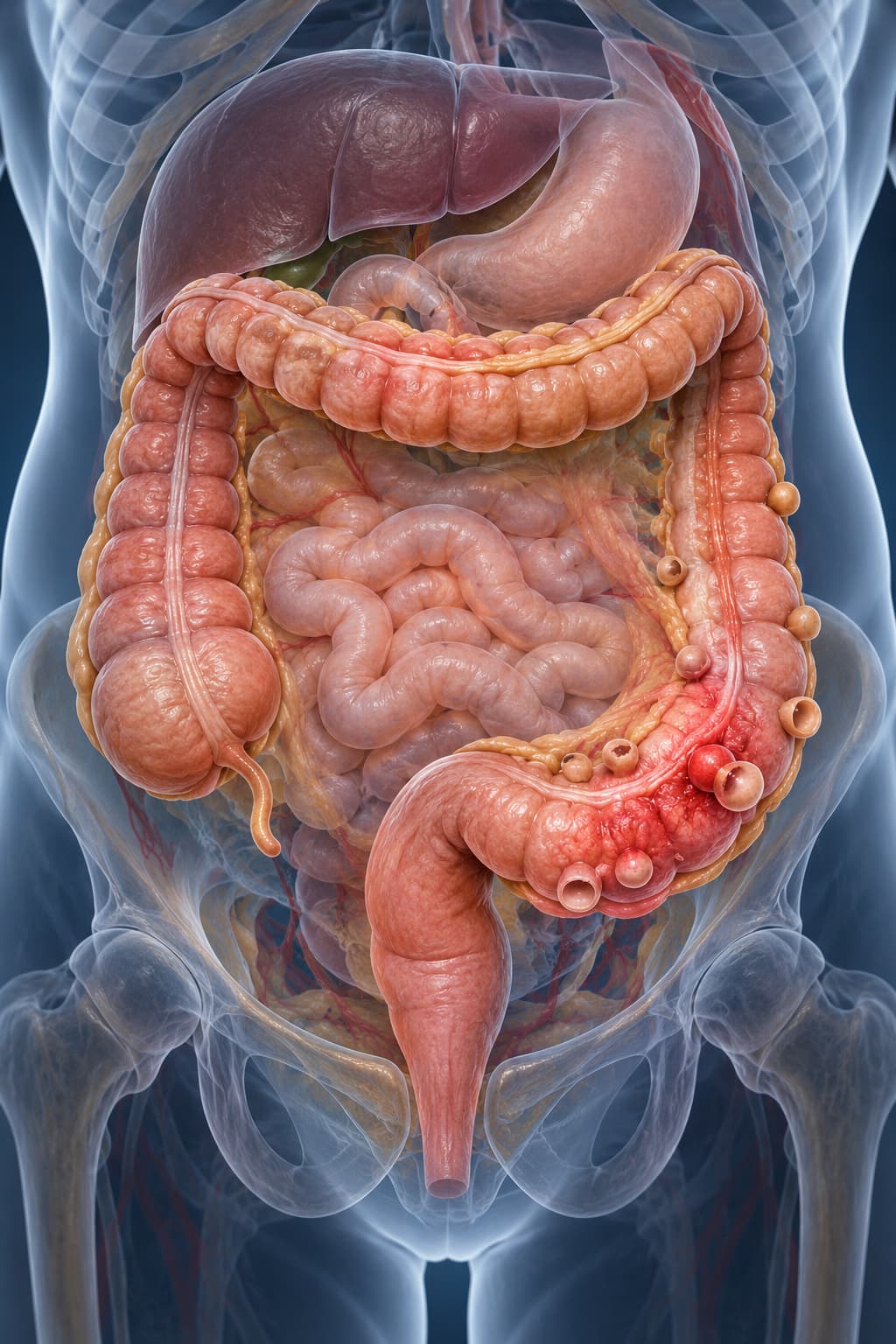
Diverticulitis occurs when small pouches in the wall of the colon become inflamed. It commonly causes pain in the lower abdomen, fever, nausea, and changes in bowel habits. Most cases are uncomplicated and can often be treated at home. Antibiotics are no longer required for every mild case, although they remain important for people with complicated disease or a higher risk of problems. Some people develop an abscess, perforation, blockage, or fistula and need hospital treatment or surgery. After recovery, a healthy diet, regular physical activity, avoiding smoking, and maintaining a healthy weight may help reduce future attacks.
Cite as: Diverticulitis: Symptoms, Causes, Diagnosis, Treatment, Diet, and Prevention. Brisbane (AU): Exon Publications; 2024 Nov 15 [updated 2026 Oct 02].
Introduction
Diverticulitis is a common condition affecting the large intestine, or colon. Many adults develop small pouches in the colon as they get older, but most never have problems from them. Diverticulitis develops when one or more of these pouches become inflamed. The condition can range from a mild episode that improves with simple treatment to a serious illness involving an abscess or a hole in the bowel. Treatment has changed in recent years, particularly because antibiotics and surgery are now used more selectively than in the past (1).
What Is Diverticulitis and How Is It Different from Diverticulosis?
Small pouches called diverticula can form where weak areas of the colon wall bulge outward. Having these pouches is called diverticulosis. Diverticulosis itself is very common, especially with increasing age, and many people never know they have it.
Diverticulitis means that one or more diverticula have become inflamed. The inflammation can remain limited to a small area of the colon or spread into nearby tissues.
Diverticulitis most often affects the sigmoid colon, which is the lower part of the large intestine on the left side of the abdomen in many Western populations. Patterns can differ in other parts of the world, with right-sided diverticulitis being more common in some Asian populations (1).
What Causes Diverticulitis?
The exact process that starts an attack is not fully understood. Diverticulitis probably develops through a combination of changes in the colon wall, pressure within the bowel, inflammation, the gut microbiome, lifestyle factors, and inherited susceptibility.
A tiny injury or microscopic opening can sometimes develop in a diverticulum and trigger inflammation in the surrounding tissue. This does not necessarily mean that the pouch has become infected. This distinction helps explain why antibiotics are not required for every uncomplicated episode (1-4).
Age increases the likelihood of developing diverticula, but diverticulitis can also occur in younger adults. Other factors associated with a higher risk include obesity, smoking, low levels of physical activity, a lower-quality diet, and regular use of some medicines, particularly nonsteroidal anti-inflammatory drugs such as ibuprofen and naproxen (3).
Genetic factors also contribute. Diverticulitis is therefore not simply caused by eating too little fiber or by one particular food.
What Are the Symptoms of Diverticulitis?
The most common symptom is steady abdominal pain. In classic left-sided diverticulitis, the pain is usually felt in the lower left side of the abdomen. It may begin suddenly or become worse over a day or two.
Other symptoms can include:
- fever or chills
- tenderness when the abdomen is touched
- nausea
- vomiting
- constipation
- diarrhea
- bloating
- reduced appetite
Symptoms vary from person to person. Older adults and people whose immune systems are weakened may not always develop a high fever or other typical signs.
Severe or worsening abdominal pain, persistent vomiting, a swollen abdomen, fainting, confusion, inability to drink enough fluid, or signs of serious illness need prompt medical assessment.
What Is the Difference Between Uncomplicated and Complicated Diverticulitis?
Doctors divide diverticulitis into uncomplicated and complicated disease because the distinction affects treatment.
Uncomplicated diverticulitis means that the inflammation is confined to the bowel and nearby tissues without a major complication. Most cases fall into this group and many people can recover without being admitted to hospital (1, 2).
Complicated diverticulitis means that the inflammation has caused another problem. These complications can include an abscess, a larger perforation or hole in the bowel, widespread infection inside the abdomen, a bowel blockage, or a fistula. A fistula is an abnormal connection between the bowel and another organ, such as the bladder.
Complicated diverticulitis usually requires closer monitoring and may require antibiotics, drainage of an abscess, or surgery.
How Is Diverticulitis Diagnosed?
Diverticulitis may be suspected from the symptoms and abdominal examination, but several other conditions can cause similar pain. These include appendicitis, kidney stones, bowel infections, inflammatory bowel disease, gynecological conditions, and colorectal cancer.
Blood tests may show signs of inflammation or infection. Urine testing and other investigations may be used when another cause of abdominal pain is possible.
Computed tomography (CT) of the abdomen and pelvis is the main imaging test when the diagnosis is uncertain, the symptoms are severe, or a complication is suspected. CT can show inflamed diverticula and can also identify an abscess, perforation, obstruction, or another condition causing the symptoms (2).
Not every person with a previous confirmed history of uncomplicated diverticulitis needs a CT scan for every similar mild recurrence. The need for imaging depends on the person's symptoms, previous history, and risk of complications.
Can Diverticulitis Be Treated at Home?
Many people with uncomplicated diverticulitis can be treated outside the hospital. This is usually appropriate when the person is otherwise well, can drink fluids, can manage the pain, has adequate support, and has no evidence of a serious complication (1, 2).
Treatment during a mild episode may include temporary changes in diet, pain relief, rest, and observation. Symptoms should gradually improve rather than continue to worsen.
Hospital treatment may be needed for people who are seriously unwell, cannot keep fluids down, have severe pain, have important medical conditions, have a weakened immune system, or have complicated diverticulitis.
Does Everyone with Diverticulitis Need Antibiotics?
No. Antibiotics are no longer considered necessary for every person with acute uncomplicated diverticulitis.
Studies and modern guidelines show that selected people who have mild uncomplicated diverticulitis, a normally functioning immune system, and no signs of severe infection can recover safely without antibiotics (2-4).
Antibiotics remain important when diverticulitis is complicated by an abscess, perforation, widespread infection, or other serious problem. They are also more likely to be used in people who are frail, have significant medical conditions, have severe or worsening symptoms, or have a weakened immune system (3, 4).
When antibiotics are required, the treatment must cover the types of bacteria normally found in the colon. The exact medicine and length of treatment depend on the severity of the illness, drug allergies, local antibiotic resistance, and whether treatment is given at home or in hospital. Antibiotic choices therefore vary between countries and health systems.
What Should You Eat During an Attack of Diverticulitis?
During an acute episode, eating may be uncomfortable because the inflamed bowel can cause pain, nausea, and loss of appetite.
A short period of clear liquids or other easily tolerated foods may help some people feel more comfortable during a mild attack. However, prolonged fasting is generally unnecessary. Food can usually be added gradually as pain and other symptoms improve (3).
If a person cannot increase food and fluid intake after several days, or symptoms are becoming worse rather than better, further assessment is appropriate.
The temporary diet used during an acute attack should not be confused with the long-term diet recommended after recovery.
How Are Abscesses and Other Complications Treated?
Treatment depends on the type and severity of the complication.
A small abscess may sometimes improve with antibiotics alone. A larger or persistent abscess may need percutaneous drainage, in which a radiologist places a small tube through the skin to drain the collection of infected fluid.
A bowel obstruction may require hospital treatment and sometimes surgery.
A fistula can develop when inflammation creates an abnormal passage between the colon and another organ. A connection between the colon and bladder, for example, can cause repeated urinary infections or gas in the urine. Surgery is often considered for symptomatic fistulas.
A large perforation that allows bowel contents to enter the abdominal cavity can cause peritonitis, a serious infection and inflammation inside the abdomen. This is a medical emergency and often requires urgent surgery (1).
When Is Surgery Needed for Diverticulitis?
Emergency surgery may be needed when diverticulitis causes a major perforation, uncontrolled infection, severe bowel obstruction, or another complication that cannot be managed safely without an operation.
Elective surgery is different. It is planned after the acute inflammation has settled. Surgery may be considered for people with persistent symptoms, repeated attacks that greatly affect quality of life, strictures or fistulas, or certain previous complications (1, 5).
Modern guidelines no longer recommend surgery simply because a person has experienced a particular number of attacks. The decision is individualized. It should take account of how severe previous episodes were, how often symptoms recur, the person's other medical conditions, the effect on everyday life, and the possible benefits and risks of an operation (3, 5).
The usual operation removes the affected section of the colon and reconnects the healthy ends. Many planned operations can now be performed using minimally invasive techniques.
Is a Colonoscopy Needed After Diverticulitis?
A colonoscopy is not normally performed during an acute attack because the inflamed bowel is more vulnerable and the procedure may be uncomfortable or unsafe.
Whether colonoscopy is needed after recovery depends on the circumstances. It is commonly recommended after an episode of complicated diverticulitis when the person has not recently had a high-quality colonoscopy. This is partly because colorectal cancer can occasionally produce symptoms or CT findings that resemble diverticulitis (3, 5).
Recommendations after an uncomplicated episode are more selective. A colonoscopy may be advised after a first episode when there has not been a recent examination, when the diagnosis was uncertain, or when there are other concerning symptoms. Different clinical guidelines vary somewhat in how routinely they recommend this after clearly confirmed uncomplicated disease.
When colonoscopy is needed, it is usually delayed until the acute inflammation has resolved, often for about six to eight weeks (3, 5).
Can Diverticulitis Come Back?
Yes. Diverticulitis can recur, although many people never have another attack.
The chance of recurrence increases after repeated episodes, but recurrent attacks do not automatically mean that increasingly dangerous disease will develop. In fact, serious complicated diverticulitis often occurs during the first recognized episode rather than after many previous uncomplicated attacks (3).
Some people have continued abdominal discomfort or changes in bowel habits after the inflammation has resolved. Persistent symptoms do not always mean that active diverticulitis is still present. Other bowel conditions may need to be considered when symptoms continue.
Can Diet Help Prevent Diverticulitis?
Long-term eating patterns appear to matter more than avoiding individual foods.
A diet rich in fruits, vegetables, whole grains, legumes, and other high-quality plant foods is associated with a lower risk of diverticulitis. Diets containing large amounts of red and processed meat and highly processed foods are associated with a higher risk in observational studies (3, 6).
Fiber from food helps support normal bowel function. After recovery from an acute attack, people can generally return gradually to a balanced fiber-rich diet unless there is another medical reason to restrict fiber.
A 2025 prospective study in women found that healthier dietary patterns were associated with a lower risk of developing diverticulitis (6).
Do Nuts, Seeds, Corn, or Popcorn Cause Diverticulitis?
There is no good evidence that people with diverticular disease need to avoid nuts, seeds, corn, or popcorn.
The traditional idea was that small pieces of these foods might become trapped inside diverticula and cause inflammation. Research has not supported this theory. Current evidence does not show an increased risk from eating nuts or seeds, and the 2025 study found no association between consumption of nuts, seeds, or fruits with edible seeds and diverticulitis risk (3, 6).
People therefore do not normally need to remove these nutritious foods from their diet solely because they have diverticulosis or a history of diverticulitis.
What Else May Reduce the Risk of Another Attack?
No method can guarantee that diverticulitis will not return, because age, genetics, and other factors cannot be changed.
Several lifestyle measures are associated with a lower risk. These include maintaining a healthy body weight, being physically active, not smoking, and eating a high-quality diet containing plenty of plant foods (3).
Regular use of nonsteroidal anti-inflammatory drugs, such as ibuprofen and naproxen, has been associated with a higher risk of diverticulitis and complications. People who need these medicines for another medical condition should not simply stop prescribed treatment, but long-term use can be reviewed when appropriate.
Medicines such as mesalamine have been studied as ways to prevent recurrent diverticulitis but have not been shown to provide meaningful benefit. Current guidance does not recommend mesalamine for this purpose. Evidence is also insufficient to recommend probiotics or the antibiotic rifaximin routinely to prevent recurrence (3, 5).
What Is the Outlook for People with Diverticulitis?
Most people with uncomplicated diverticulitis recover without surgery and can return to their normal activities after the inflammation settles. Many can be treated outside the hospital, and selected mild cases do not need antibiotics (1-4).
Recovery time varies. Abdominal tenderness and changes in bowel habits may take longer to disappear than fever or severe pain.
A minority of people develop recurrent disease, and a smaller group develops complications that require drainage or surgery. Having diverticulitis does not mean that surgery will eventually be unavoidable. Decisions about long-term treatment are increasingly based on the severity and effect of the disease on the individual rather than simply counting the number of attacks.
Conclusion
Diverticulitis develops when small pouches in the colon become inflamed. It usually causes lower abdominal pain and may also cause fever, nausea, or changes in bowel habits. CT imaging can confirm the diagnosis and identify complications when necessary. Most uncomplicated cases can be managed without surgery, and selected mild cases can recover without antibiotics. Complicated disease may require antibiotics, drainage, or an operation. After recovery, people generally do not need to avoid nuts or seeds. A healthy diet, regular physical activity, maintaining a healthy weight, and avoiding smoking may help reduce future risk. Treatment and decisions about surgery should be based on the severity and individual impact of the disease.
References
- Sacks OA, Hall J. Management of diverticulitis: A review. JAMA Surg. 2024;159(6):696-703. https://doi.org/10.1001/jamasurg.2023.8104
- Qaseem A, Etxeandia-Ikobaltzeta I, Lin JS, et al. Diagnosis and management of acute left-sided colonic diverticulitis: A clinical guideline from the American College of Physicians. Ann Intern Med. 2022;175(3):399-415. https://doi.org/10.7326/M21-2710
- Peery AF, Shaukat A, Strate LL. AGA clinical practice update on medical management of colonic diverticulitis: Expert review. Gastroenterology. 2021;160(3):906-911.e1. https://doi.org/10.1053/j.gastro.2020.09.059
- Garfinkle R, Bennett RD, Dantu S, et al. SAGES white paper on antibiotic omission in the management of acute uncomplicated diverticulitis: Why, when, who, and most importantly, how. Surg Endosc. 2025;39(6):3456-3465. https://doi.org/10.1007/s00464-025-11738-w
- Qaseem A, Etxeandia-Ikobaltzeta I, Lin JS, et al. Colonoscopy for diagnostic evaluation and interventions to prevent recurrence after acute left-sided colonic diverticulitis: A clinical guideline from the American College of Physicians. Ann Intern Med. 2022;175(3):416-431. https://doi.org/10.7326/M21-2711
- Barlowe T, Anderson C, Nichols HB, Salvador AC, Sandler RS, Sandler DP, Peery AF. Diet and risk for incident diverticulitis in women: A prospective cohort study. Ann Intern Med. 2025;178(6):788-795. https://doi.org/10.7326/ANNALS-24-03353
This article is part of the 'Public Education Series' initiative by Exon Publications.
Disclaimer: This article is for general educational purposes only and does not constitute medical advice, diagnosis, or treatment. Consult a qualified healthcare professional about personal health concerns.
Note on External Links: External links were checked and accessible when this article was published. Their content and availability may change over time and are outside the control of Exon Publications.
Explore Other Articles in the Public Education Series
Downloads
Article Details

This work is licensed under a Creative Commons Attribution-NonCommercial 4.0 International License.