
Common Cold: Causes, Symptoms, Spread, Diagnosis, Treatment, and Prevention
Article Sidebar
Main Article Content
The common cold is a viral infection that mainly affects the nose and throat. It is caused by several types of viruses, most often rhinoviruses. Common symptoms include a runny or blocked nose, sneezing, sore throat, and cough. Cold viruses spread through the air, close contact, and contaminated hands or surfaces. Most people recover within 7–10 days without specific treatment. Rest, fluids, and certain medicines can help relieve symptoms, but antibiotics do not treat a cold. Good hand hygiene and avoiding close contact with sick people can reduce the risk of infection. Most colds are mild and resolve on their own.
Cite as: Common Cold: Causes, Symptoms, Spread, Diagnosis, Treatment, and Prevention. Brisbane (AU): Exon Publications; 2024 Jul 15 [updated 2026 Nov 03].
Introduction
The common cold is one of the most frequent infections in humans. It affects people of all ages and occurs throughout the year, although colds are often more common during cooler months. Adults usually experience two to four colds each year, while young children may have several more. Most colds are mild and do not cause lasting health problems. However, symptoms can interfere with sleep, school, work, and daily activities. Understanding what causes colds, how they spread, and which treatments help can make the illness easier to manage.
What Is the Common Cold?
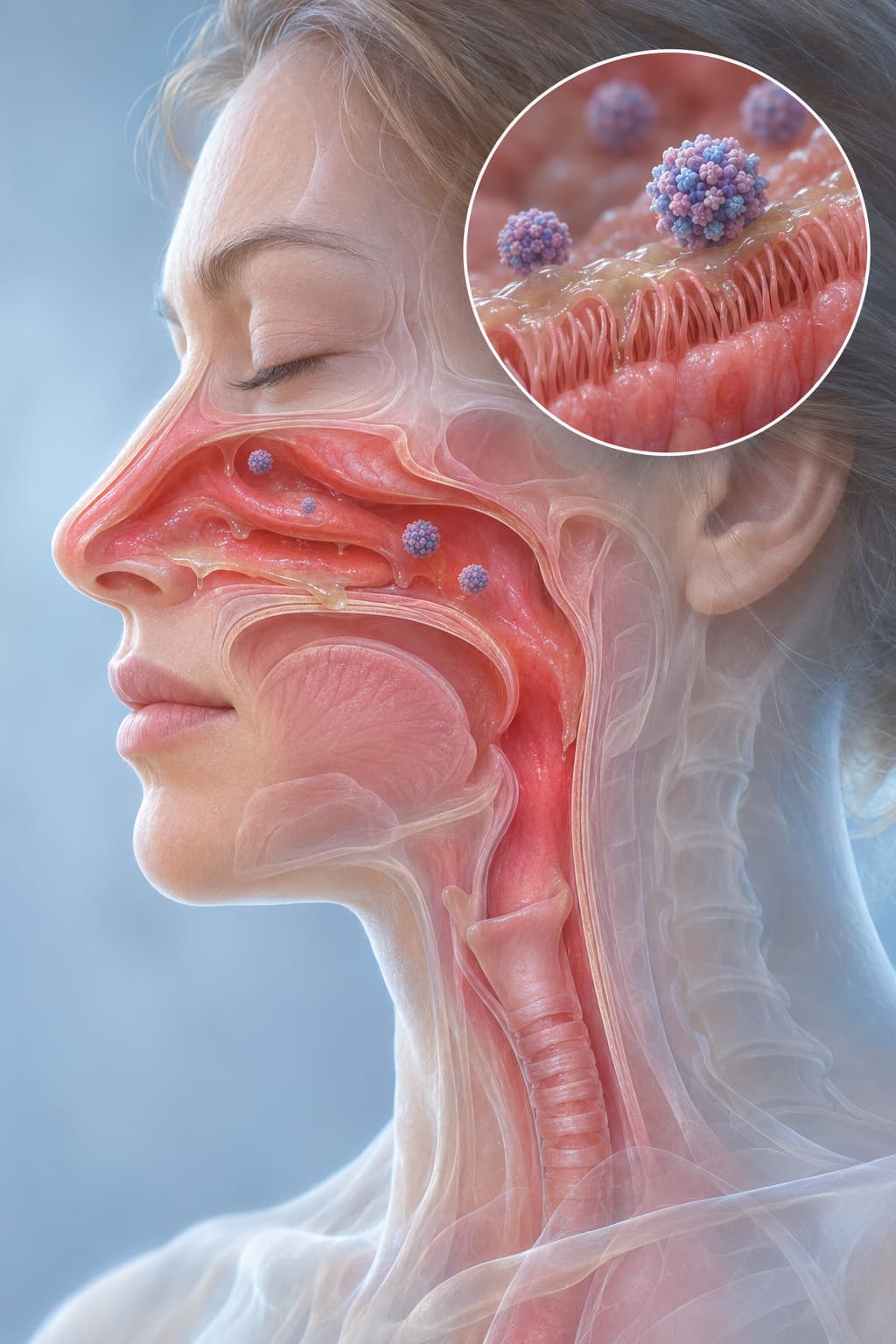
The common cold is an infection of the upper respiratory tract, which includes the nose, throat, and sinuses. It develops when a virus enters the body and infects cells lining these areas. The infection triggers inflammation, which causes swelling and increased mucus production.
Unlike infections that mainly affect the lungs, a typical cold causes symptoms in the upper airways. Most infections clear as the immune system controls and removes the virus. Although colds are generally mild, they can sometimes lead to complications, especially in young children and people with existing respiratory conditions (1).

Rhinoviruses can infect cells lining the nasal passages. The body's immune response causes inflammation and increased mucus production, leading to common cold symptoms.
What Causes the Common Cold?
The common cold is caused by viruses, not bacteria. More than 200 types of viruses can produce cold symptoms. Rhinoviruses are the most common cause, accounting for a large proportion of infections.
Other viruses that can cause colds include seasonal coronaviruses, adenoviruses, and certain enteroviruses. Seasonal coronaviruses are different from SARS-CoV-2, the virus responsible for COVID-19.
People can catch colds repeatedly because many different viruses and virus types cause them. Immunity after one infection may not protect against another. Young children experience more colds partly because their immune systems have had less previous exposure to these viruses (1).
How Does the Common Cold Spread?
Cold viruses spread mainly through infectious particles released when an infected person breathes, talks, coughs, or sneezes. Another person may breathe in these particles, especially during close contact in poorly ventilated spaces.
Viruses can also spread through contaminated hands and surfaces. Touching the nose, mouth, or eyes after contact with infectious secretions may allow a virus to enter the body.
Symptoms usually begin one to three days after exposure, although the timing varies with the virus. People may spread the infection before they realize they are sick. Transmission is often greatest during the early days of illness, when symptoms and virus shedding are more pronounced (1).
What Are the Symptoms of the Common Cold?
Cold symptoms usually develop gradually. The most common are:
- Runny or blocked nose
- Sneezing
- Sore or scratchy throat
- Cough
- Mild headache
- Tiredness
- Mild body aches
Some people develop a low fever, particularly young children. High fever is less typical of an uncomplicated cold in adults.
Symptoms often become most noticeable during the first two to three days. Most people improve within 7–10 days, although a cough or blocked nose may last longer.
Nasal mucus may change from clear to yellow or green as the illness progresses. This color change alone does not mean that a bacterial infection has developed or that antibiotics are needed (1).
How Is the Common Cold Different From Influenza and COVID-19?
The common cold, influenza, and COVID-19 are respiratory infections that can share similar symptoms. However, they are caused by different viruses and may differ in severity.
A typical cold mainly causes nasal symptoms, sneezing, and a sore throat. Influenza, commonly called the flu, is more likely to cause sudden fever, marked tiredness, body aches, and more severe illness. COVID-19 can cause symptoms ranging from mild congestion to serious breathing problems.
Symptoms alone cannot always distinguish these infections. Testing may be helpful when influenza or COVID-19 is suspected, particularly for people at increased risk of serious illness. This matters because early antiviral treatment may be available for influenza and COVID-19, but not for an ordinary cold (2).
How Is the Common Cold Diagnosed?
Doctors usually diagnose a common cold from the symptoms and a brief medical history. A physical examination may include checking the nose, throat, ears, and breathing.
Laboratory testing is generally unnecessary for a mild, uncomplicated cold. However, tests for influenza, COVID-19, or other respiratory viruses may be recommended when the result could affect treatment or infection-control decisions.
Further assessment may be needed when symptoms are unusually severe, continue longer than expected, or suggest another condition, such as pneumonia or a bacterial complication (2).
How Is the Common Cold Treated?
There is no specific cure for the common cold. Treatment focuses on relieving discomfort while the immune system clears the infection.
Rest and fluids: Getting enough rest and drinking fluids can help maintain comfort and prevent dehydration.
Nasal saline: Saline nasal sprays or drops may help loosen mucus and relieve a blocked nose.
Pain and fever medicines: Acetaminophen (paracetamol) or ibuprofen can relieve headaches, body aches, sore throat, and fever when used appropriately.
Decongestants: Certain nasal sprays or oral medicines may temporarily reduce nasal congestion. Some are unsuitable for people with particular medical conditions. Medicated decongestant nasal sprays should generally be used for only a few days because prolonged use can worsen congestion.
Antihistamines: These medicines are mainly used for allergies. Research shows that antihistamines taken alone provide little meaningful relief from most cold symptoms, although some may produce a small short-term benefit in adults (3).
Honey: Honey may help relieve coughing, particularly in children aged one year and older. It must never be given to infants younger than 12 months because of the risk of infant botulism (4).
Over-the-counter cough and cold medicines are not recommended for children younger than six years because of limited benefit and potentially serious side effects. Medicines should always be used according to age, health conditions, and product instructions.
Antibiotics do not treat the common cold because they act against bacteria, not viruses. They are appropriate only if a separate bacterial infection develops and treatment is needed.
Do Vitamin C, Zinc, and Other Supplements Help?
Several supplements have been studied for preventing or treating colds, but their benefits are uncertain.
Vitamin C does not reliably prevent colds in most people. Regular use may slightly shorten cold duration, but starting it after symptoms appear has not shown consistent benefits.
Zinc taken during a cold may reduce how long symptoms last, but studies have produced mixed results. Zinc can also cause nausea, an unpleasant taste, and other side effects. A 2024 Cochrane review found that the available evidence was insufficient to make firm recommendations for routine zinc use (5).
Herbal remedies and other supplements have not consistently shown reliable benefits. Natural products can also cause side effects or interact with medicines.
Can the Common Cold Cause Complications?
Most colds resolve without complications. Occasionally, infection and inflammation can contribute to other health problems.
Ear infections: Children may develop middle-ear infections when swelling affects drainage between the nose, throat, and middle ear.
Sinus infections: A cold can cause swelling and mucus buildup in the sinuses. Most cases improve without antibiotics, but a bacterial sinus infection sometimes develops.
Asthma flare-ups: Respiratory viruses can trigger coughing, wheezing, and breathing difficulties in people with asthma.
Lower respiratory infections: Some respiratory viruses may also affect the lower airways and occasionally contribute to more serious illness.
Medical assessment is important for difficulty breathing, dehydration, fever lasting more than four days, symptoms continuing beyond ten days without improvement, or symptoms that improve and then worsen. Infants younger than three months with a temperature of 38°C (100.4°F) or higher need prompt medical evaluation.
How Can the Common Cold Be Prevented?
No single measure prevents every cold, but several habits can reduce exposure to respiratory viruses.
- Wash hands regularly with soap and water, or use an alcohol-based hand sanitizer.
- Avoid touching the eyes, nose, and mouth with unwashed hands.
- Cover coughs and sneezes with a tissue or elbow.
- Avoid close contact with people who are sick when possible.
- Improve indoor ventilation, particularly in crowded spaces.
- Stay home when sick and limit close contact with others until symptoms are improving and any fever has resolved.
Research suggests that hand hygiene programs can modestly reduce respiratory infections (6).
There is no universal vaccine against the common cold because many different viruses cause it. However, vaccines against influenza and COVID-19 help prevent those separate infections and reduce the risk of serious illness.
Conclusion
The common cold is a frequent viral infection that usually improves without specific treatment. Rhinoviruses are the leading cause, although many other viruses can produce similar symptoms. Most people recover within one to two weeks. Simple measures such as rest, fluids, and appropriate symptom-relief medicines can make recovery more comfortable. Antibiotics are not useful for uncomplicated colds. Hand hygiene, better ventilation, and avoiding close contact when sick can help limit transmission. Recognizing unusual or worsening symptoms is important because some respiratory illnesses require further medical assessment.
Explore Other Articles in the Public Education Series
- Influenza (Flu): Symptoms, Causes, Diagnosis, Treatment, and Prevention
- Swine Flu: Public Education
- Long COVID: Public Education
References
- Heikkinen T, Järvinen A. The common cold. Lancet. 2003;361(9351):51–59. https://doi.org/10.1016/S0140-6736(03)12162-9
- Binnicker MJ, et al. ADLM guidance document on laboratory diagnosis of respiratory viruses. J Appl Lab Med. 2024;9(3):599–628. https://doi.org/10.1093/jalm/jfae010
- De Sutter AIM, Saraswat A, van Driel ML. Antihistamines for the common cold. Cochrane Database Syst Rev. 2015;(11):CD009345. https://doi.org/10.1002/14651858.CD009345.pub2
- Kuitunen I, Renko M. Honey for acute cough in children—a systematic review. Eur J Pediatr. 2023;182(9):3949–3956. https://doi.org/10.1007/s00431-023-05066-1
- Nault D, Machingo TA, Shipper AG, et al. Zinc for prevention and treatment of the common cold. Cochrane Database Syst Rev. 2024;5:CD014914. https://doi.org/10.1002/14651858.CD014914.pub2
- Jefferson T, Dooley L, Ferroni E, et al. Physical interventions to interrupt or reduce the spread of respiratory viruses. Cochrane Database Syst Rev. 2023;1:CD006207. https://doi.org/10.1002/14651858.CD006207.pub6
This article is part of the 'Public Education Series' initiative by Exon Publications.
Disclaimer: This article is for general educational purposes only and does not constitute medical advice, diagnosis, or treatment. Consult a qualified healthcare professional about personal health concerns.
Note on External Links: External links were checked and accessible when this article was published. Their content and availability may change over time and are outside the control of Exon Publications.
Downloads
Article Details

This work is licensed under a Creative Commons Attribution-NonCommercial-NoDerivatives 4.0 International License.